What Does a Panel Operator Do?
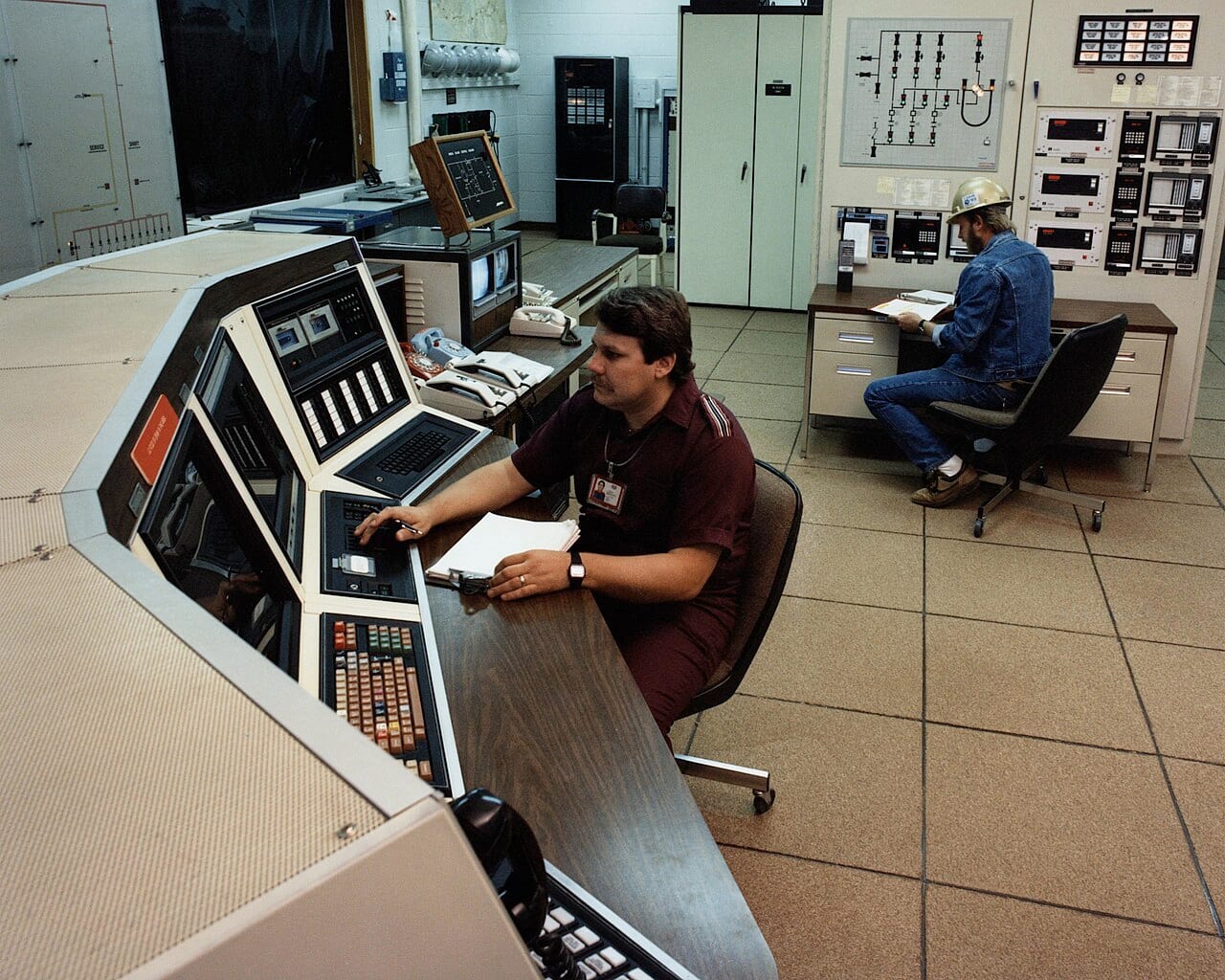
A panel operator runs an oil or gas process from a control board. They watch the readings for their unit and stay in touch with the crew in the plant. If a change shows up on the panel, they check which part of the unit needs a closer look.
How Panel Operators Work with Field Crews at a Plant
The panel is often part of a distributed control system, or DCS. It brings readings and controls for an operating area onto screens. The operator watches trends in flow, pressure and level and compares them with lab results and the shift plan. An alarm needs a response under the unit's procedures.
If the level shown for a separator changes sharply, the panel operator can check when it began and ask the field crew what it sees. A screen reading is part of the evidence. Local checks help show whether the cause is in the process or the instrument.
The panel operator keeps track of equipment being taken out of service and work that could affect the unit. They communicate changes to the shift lead and the operators outside. A clear handover includes active problems, pending samples and work still open.
Employers may use board operator or control room operator for this job. The names do not set a fixed difference in seniority. A pipeline controller has a different network and operating scope.
Panel Operator Wages and Job Outlook
Job Bank lists CAD 32.00 to 72.12 per hour in Alberta for oil, gas and chemical process operators in 2023–2024. In May 2025, the middle 80% of U.S. refinery operators, petroleum pump operators and gaugers earned USD 27.46 to 55.71 per hour. These figures cover wider job groups.
Canada projects about 4,100 openings in its group from 2026 to 2035. About 3,200 could come from retirements.
Panel Operator Training for Oil And Gas Plant Work
Many board jobs ask for experience in the same process or as a field operator. Knowing where the equipment is helps a person understand what a screen change means. The employer then trains and assesses the worker for the particular board.
Training needs to cover operating limits, alarm response and communication during abnormal conditions. Some Canadian assignments also have specified power engineering duties.
Challenges of Oil And Gas Plant Work for Panel Operators
The work can alternate between long quiet periods and several alarms at once. The operator has to keep attention on the process and share a clear account of what changed first. Night shifts affect sleep even when the job is indoors. The number of units and open maintenance jobs can matter as much as the number of screens.
Perks of Oil And Gas Plant Work for Panel Operators
You see how one field change affects the wider unit. Experience can lead to training on another board or a lead operator post. It can suit someone who likes interpreting trends and communicating with a crew, while field rounds offer a different balance of hands-on work.