What Does a Perforator Do at a Cased Well?
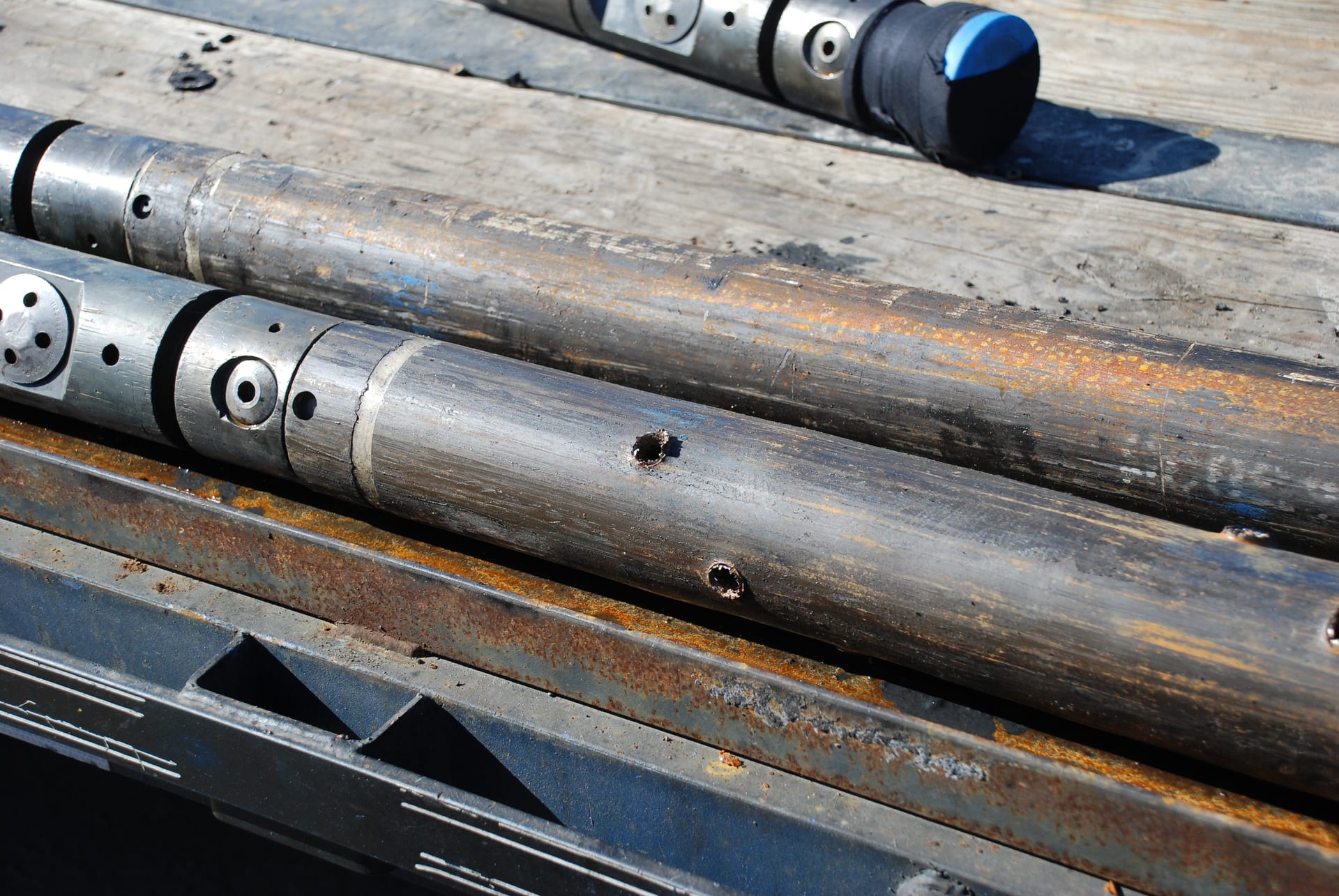
A perforator works with a crew that makes openings through the steel pipe and cement in a well. The openings connect the well to the rock around it. The perforator helps prepare the tools, check which part of the well the crew will work on and record the result for the customer.
How Perforators Support Cased Well Completion Work
Work in a qualified crew providing perforating services for an oil or gas well. The purpose is to create openings through the cased well into the target interval. The crew needs a confirmed well programme and depth record. It is a specialist service. General rig labour does not cover the role.
Prepare assigned equipment and job records within the training and authority held. Work with the wireline crew or other service team used for the job. A wrong interval reference can make the entire record unreliable. Report a mismatch for review rather than guess which document is correct.
Keep service results and equipment records traceable for the customer. A completion engineer may set the wider well objective. The perforating crew carries out its approved scope. Explosives work, technical plans and well decisions have separate duties and approvals.
Perforator Wages and Job Outlook
Job Bank's 2023–2024 data for Alberta put oil and gas well drillers, servicers, testers and related workers at CAD 25.00 to 70.00 per hour. In May 2025, the middle 80% of U.S. oil and gas service unit operators earned USD 18.72 to 46.90 per hour. The figures cover wider job groups.
Canada projects about 9,600 openings for the Canadian group from 2026 to 2035. About 5,100 could come from retirements.
Training for Wireline and Perforating Work
Employers train and assess staff for the specific perforating system and duties. Related wireline or well-service experience may provide a route. An assistant works under supervision. An assistant-level post does not show that a person is ready to lead a job.
Alberta’s explosives rules require a blaster or direct blaster supervision for workers performing the covered explosives tasks. Federal explosives requirements also apply to the work. U.S. requirements depend on the jurisdiction and assignment. The employer must check credentials and training before assigning duties. It must also confirm authority for the work.
Challenges of Working as a Perforator
The work needs precise well and interval records and close coordination with the site. Changes require clear review and handover. The crew has to keep its specialist scope clear when several services are working together.
Calls can involve remote roads, travel and long shifts. Weather or rig progress may move the job.
Perks of Working as a Perforator
You can build a focused service skill within well completion work. The role combines tools, records and a small crew’s coordination. Progress needs checked skills and experience on the assigned systems. Time on a rig alone does not establish those skills.