What Does a Pipeline Pigging Project Engineer Do?
A pipeline pigging project engineer plans jobs that send a tool through a pipe. The tool may clean the line, help get a new line ready or collect data. The engineer checks that the tool fits the pipe and works with the people who run it.
Key takeaways
- Pigging can support cleaning, commissioning or inspection.
- An ILI engineer may focus more on inspection tool data and what the run can measure.
How Pipeline Pigging Project Engineers Plan Tool Runs
A pig is a tool that travels inside a pipeline. Pigging can remove deposits, help prepare a line for use or support an inspection. Start with the job’s goal and the line records. Tool choice depends on the product, pipe size, route and fittings the tool must pass.
Review the access points and the field information with the pipeline operator and service crew. An in-line inspection engineer focuses on what an inspection tool can measure. A cleaning or commissioning job has a different acceptance test, so agree on what counts as a complete result before the run.
During the project, track progress, open questions and approved changes. At closeout, compare the field records with the agreed goal. An incomplete run needs a review of the cause and next work. Recovery of a stopped tool calls for a site-specific plan, rather than a routine fix from a generic guide.
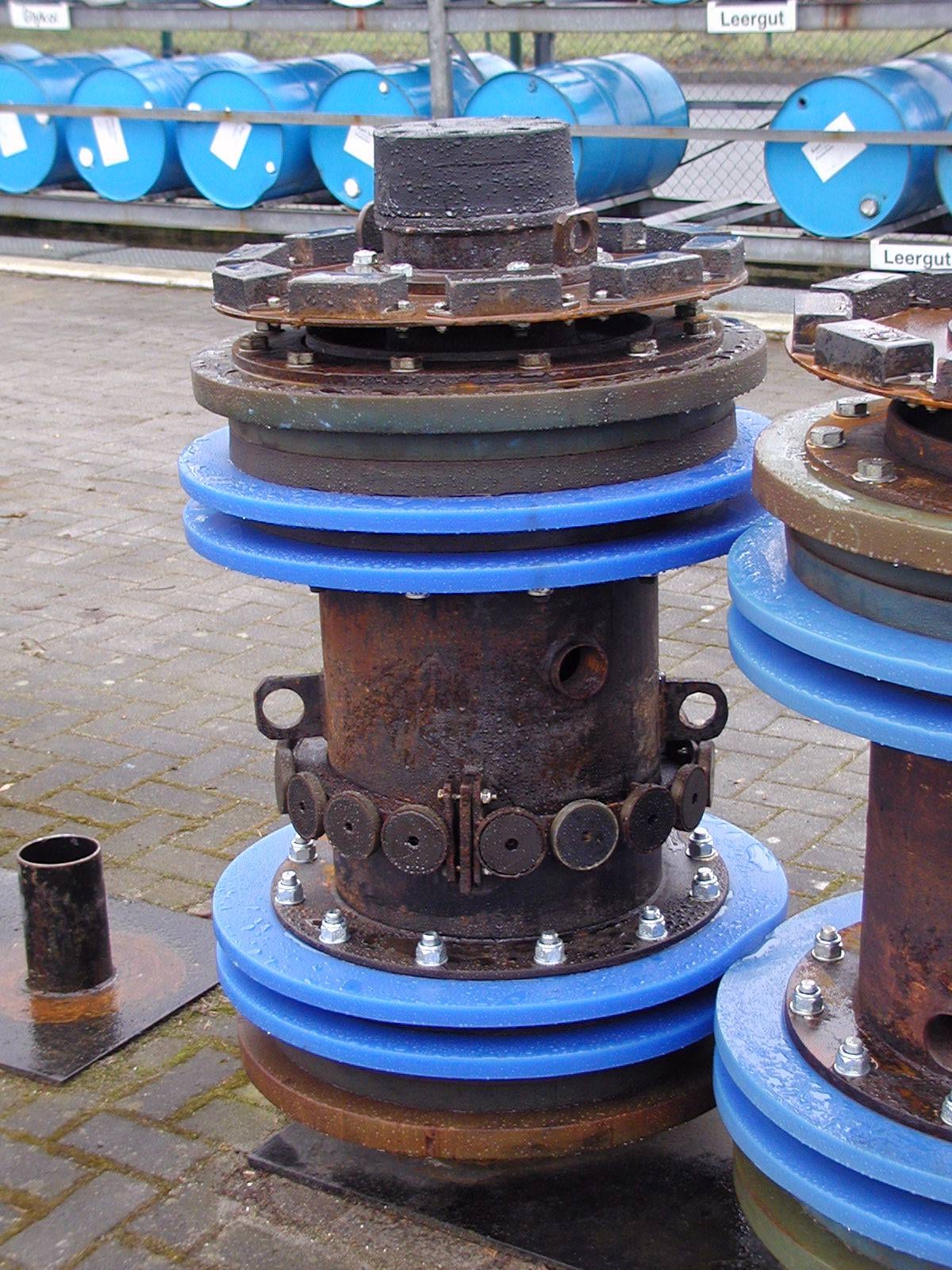
Pipeline and Tool Training for Pigging Project Engineers
Mechanical, process or pipeline engineering can lead into this work. Field service experience helps explain the limits of tools and line records. Learn to write a clear job scope and test whether the planned equipment suits it. Junior engineers work within a defined review and approval process.
Training must cover the company’s tools and the site’s pressure and energy controls. The pipeline operator and field crew keep their assigned authority. An engineering title does not authorize opening a launcher or changing a live pipeline’s operating conditions.
Challenges of Planning Pipeline Cleaning and Tool Runs
Older line records may omit a bend, repair or size change. A tight shutdown window can leave little room for delay. You need to explain a data gap before it becomes a field problem, then keep the operator, service crew and client informed when the plan changes.
Perks of Working as a Pipeline Pigging Project Engineer
You combine equipment selection with field evidence and project planning. The work can lead into pipeline commissioning, cleaning programs or integrity support. It suits people who like tracing an incomplete result back to a specific line or tool issue instead of treating every run alike.