What Does a Plant Operator Do at an Oil and Gas Plant?
A plant operator runs and checks equipment at an oil and gas plant. They may walk through the plant to look at pumps and tanks or watch readings from a control room. Their job is to keep the plant running within its limits and tell the crew when something changes.
How Plant Operators Check Equipment on Shift
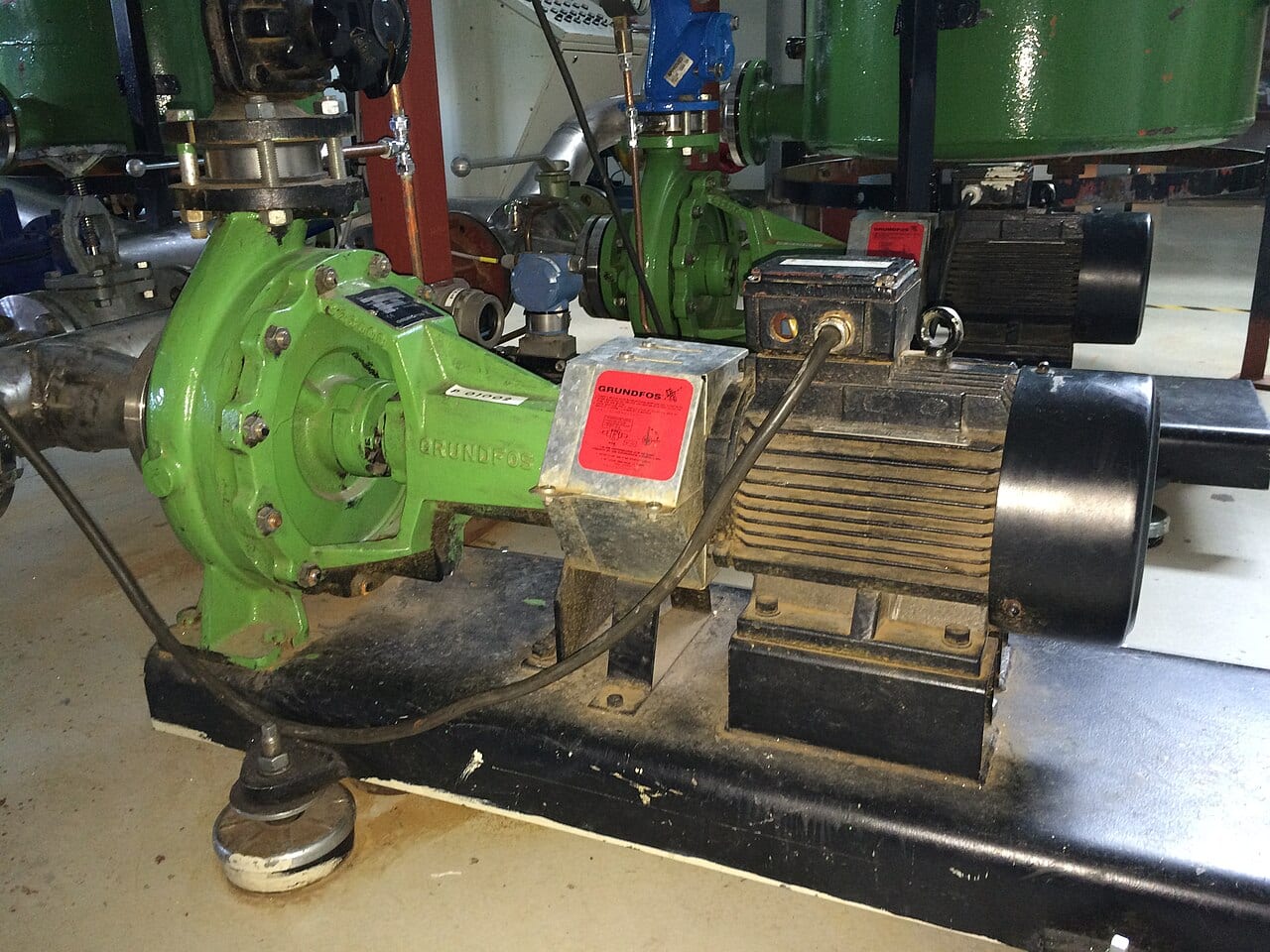
Check equipment in the assigned area. Compare what you find with the shift record. A round may cover pumps, tanks, filters and compressors. Readings help show whether the plant is stable. Sounds and leaks add clues that a screen may not show.
The plant’s purpose changes the work. A gas plant operator may help treat natural gas before shipment. An oil facility may separate water and prepare crude oil for sale. A refinery operator works on units that make fuels or other products. Confirm the equipment behind the title.
Raise maintenance requests and describe the fault clearly. Operators also prepare equipment for approved repair work and support its return under the site process. The repair crew does the work within its trade scope. Pass on equipment status, sample results and work still open so the relief operator does not start from an outdated plan.
Oil and Gas Plant Operator Wages and Job Outlook
Job Bank lists CAD 32.00 to 72.12 per hour in Alberta for oil, gas and chemical process operators in 2023–2024. In May 2025, the middle 80% of U.S. refinery operators, petroleum pump operators and gaugers earned USD 27.46 to 55.71 per hour. The surveys cover wider job groups.
Canada projects about 4,100 openings in its group from 2026 to 2035. About 3,200 could come from retirements.
Plant Operator Training for Oil and Gas Facilities
Trainee posts offer one route in. Other jobs need prior plant work. Learn process drawings, equipment checks and the site’s record system. Employers assess workers on the actual units they will run. A course in process operations provides background rather than permission to operate every plant.
In Canada, the equipment and province set the power-engineering rules. Some jobs need a set certificate class. Others list it as an asset. Site instruction covers permits, hazardous energy and emergency duties. U.S. plants also train and assess their staff. A Canadian certificate does not replace that process.
Challenges of Running an Oil and Gas Plant
Plants often run through nights, weekends and holidays. The operator may move between a control building and outdoor rounds in poor weather. A fault can change a routine shift into a busy one, with several teams needing the same equipment update.
Remote posts may use camp and transport from designated hubs. Others require a daily commute. Days off can feel shorter when part of them is spent getting home.
Perks of Plant Operations Work in Oil and Gas
You learn a working plant through its equipment and the results of each shift. The job mixes field observations, records and crew decisions. Training on more units can support control-room or senior-operator work. Those steps depend on the site’s assessment and openings rather than a fixed promotion timetable.