What Does a Production Geologist Do?
A production geologist studies the rock in an oil or gas field that is already in use. They check what new well logs and changes in output may show about the layers underground. They help the team update its view of the field and decide what to study next.
How Production Geologists Check Rock Models Against Well Results
Use new well results and output data to test the field’s rock model. A change in water output, for example, may raise a question about connected layers or a nearby fluid contact. Work with reservoir staff to compare possible causes. A change in rate alone does not prove a geological answer.
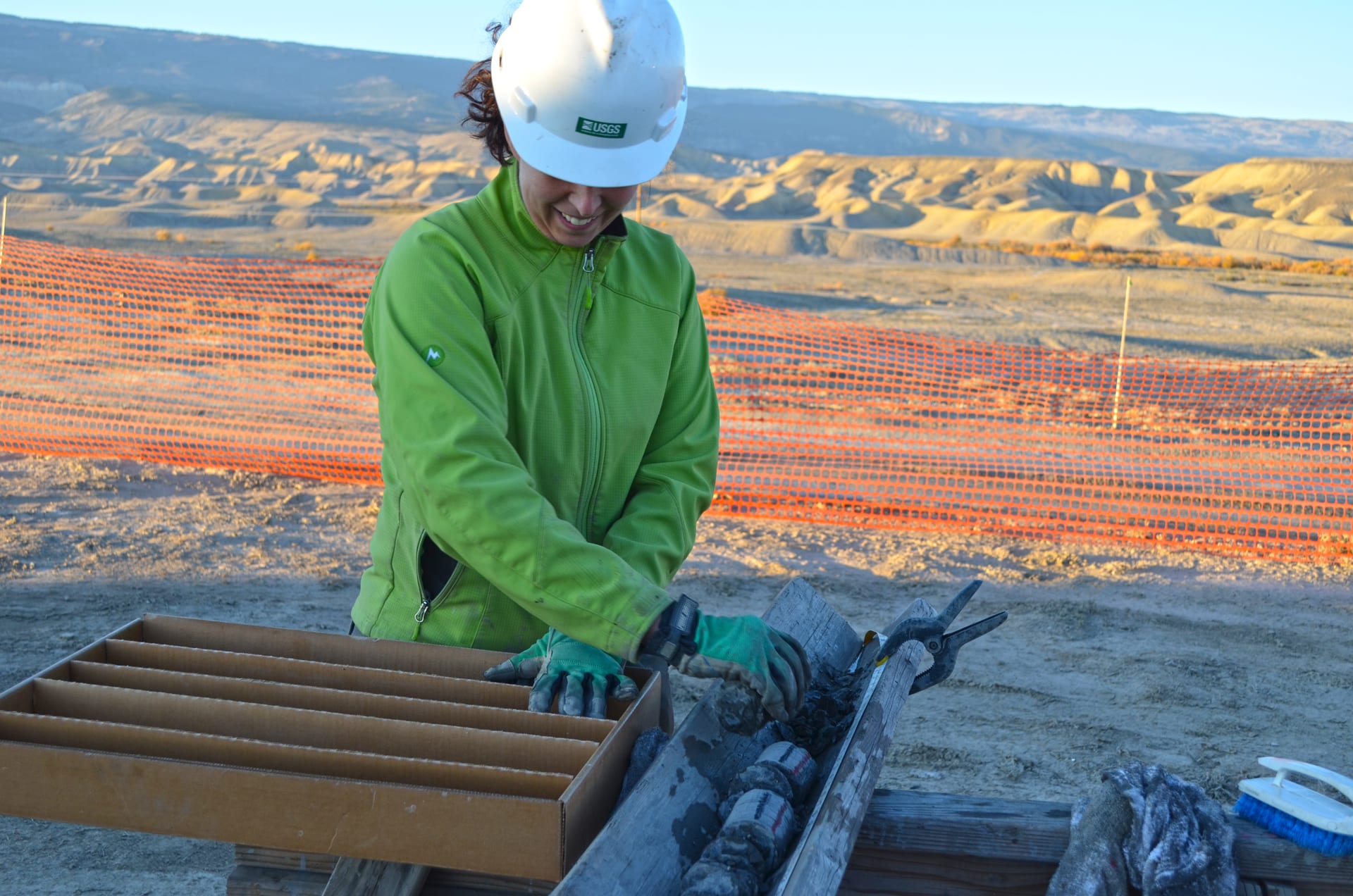
Match new logs with existing wells. Review samples and update maps. The work can help explain why one part of a field behaves differently from another. A new well may also reveal a barrier or layer that the earlier model missed. Keep the evidence and the revised interpretation linked.
Findings can support an infill target, a well repair study or a decision to gather more data. The production engineer checks well and equipment behaviour, while the geologist focuses on what the rock model supports. Employers may combine production and development geology in one field-team post.
Production Geologist Pay and Job Outlook
For wider employee context, Alberta geoscientists and oceanographers earned CAD 28.85 to 117.95 per hour in Job Bank’s 2023–2024 data. U.S. geoscientists earned USD 28.52 to 96.26 per hour for the middle 80% in May 2025. These ranges do not isolate production geology.
Canada projects 4,400 openings in the wider geoscience group in 2026–2035, including 2,600 from retirements. The forecast covers other fields too.
Production Geologist Training and Career Path
A geology or related degree is a common route in. Learn well-log correlation, reservoir maps and how production records are measured and assigned to wells. You need enough knowledge of well operations to ask whether an apparent rock signal could have another cause.
Employers can teach their field model and data tools. New hires develop under experienced review. Local rules govern professional work and who must review it. Site visits need the relevant induction and task training. Keep learning from later well results rather than treating the first model as fixed.
Challenges of Working as a Production Geologist
The same production change can have several possible causes. An old model may also have gaps that were never recorded. You need to work with well and reservoir staff, show the evidence and avoid changing the map just to fit one observation. Busy assets can bring several urgent well questions at once.
Perks of Working as a Production Geologist
You get to test geological ideas against real field behaviour. You can see how a revised interpretation affects a well study and then compare the result. It can build a route toward development geology or asset studies.