What Does a Protection Relay Technician Do at an Oil and Gas Site?
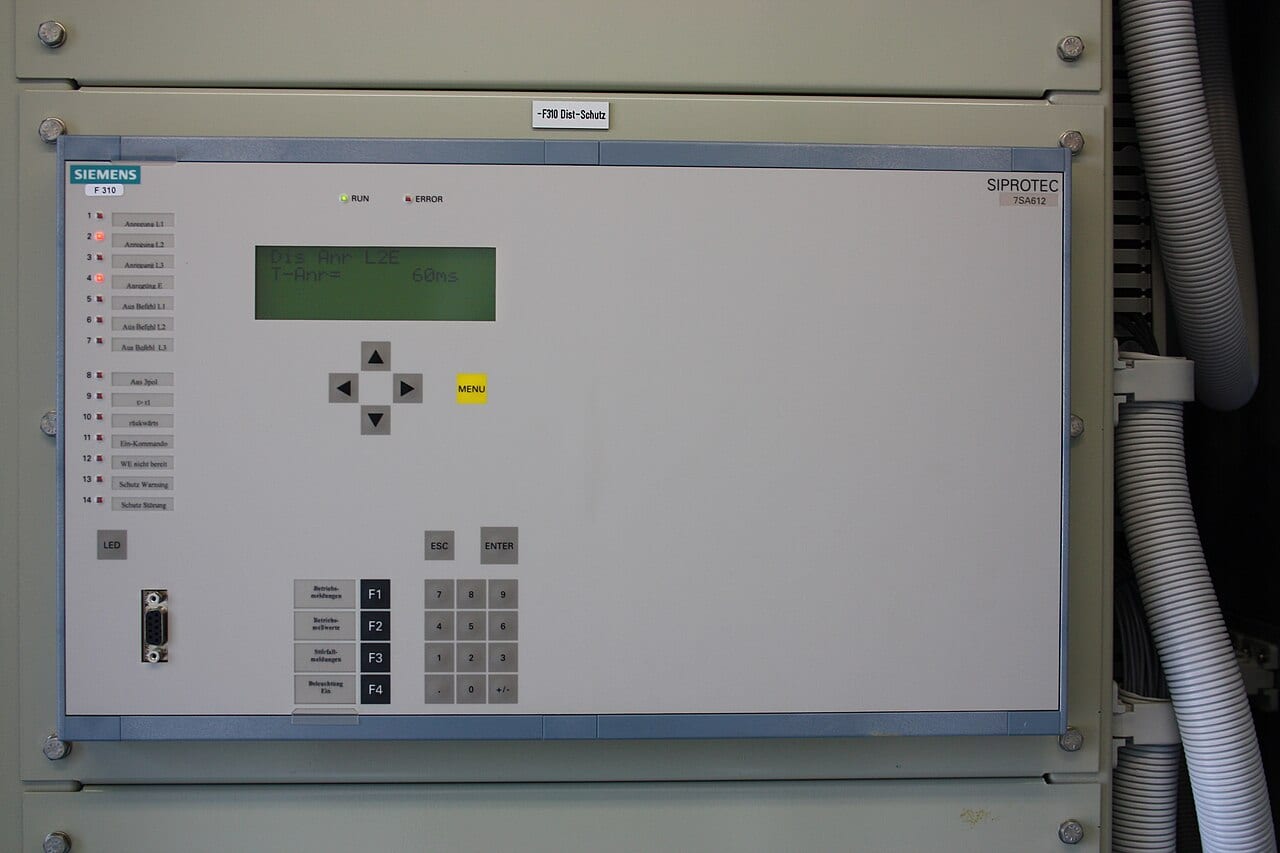
A protection relay technician checks the devices that tell a breaker to cut power when there is a fault. At an oil and gas plant, they test the relay and the path from its signal to the breaker. They also record the settings and help explain why a breaker opened.
How Protection Relay Technicians Test Electrical Protection Systems
Test and maintain electrical protection and control systems. They detect faults and help isolate the affected equipment. A relay uses measurements and an approved protection design. Check that the installed system behaves as intended. The relay is part of that system, not just a stand-alone box.
Work from the approved drawings, settings records and test plan. Keep results linked to the right device and revision. A substation technician may handle connected power equipment. Protection engineers own the design scope. Settings changes need their assigned technical approval.
Review reported trips with engineers and site staff. Keep event records and explain what was found. Testing can cover new equipment or routine maintenance, depending on the job. Test work does not give permission to switch or restore power to the site.
Protection Relay Technician Pay and Job Outlook
Job Bank lists CAD 33.03 to 69.92 per hour for Alberta power-system electricians in 2024. U.S. powerhouse, substation and relay repairers earned USD 65,730 to 129,920 a year in May 2025. The U.S. range covers the middle 80%. Both are wider occupation comparisons, not a specialty-only rate.
Canada projects about 1,200 openings for power-system electricians in 2026–2035. About 500 could come from retirements.
Training for Protection Relay Technicians
Electrical or electronics study is one route. A power-system trade or relevant technical work can also lead to this job. Learn protection principles, drawings and test records alongside vendor tools. Start under experienced review before taking test work alone.
Employers provide their procedures and product training. SEL’s services cover protection tests, commissioning and site training. These show how the job extends beyond one device. A vendor course does not replace the region’s trade or professional rules. Site switching needs its own approval.
Challenges of Testing Protection Relays at Oil and Gas Sites
A device may pass a test while a wiring or version mismatch remains elsewhere in the system. Detailed records and coordinated reviews matter. Check whether the records show a real power-system event. A fault in measurement or control can also affect them.
Outage windows can be short and may fall outside normal hours. Travel and on-call duties vary between maintenance and field-service roles. Check who signs off the work before handover.
Perks of Working on Power Protection Relays
You can connect a technical design with evidence from actual equipment. The role rewards careful checking and clear reports. It can build a specialist career across plants and utilities. Protection systems change, so learning continues.