What Does an Electrical Substation Technician Do at an Oil and Gas Plant?
An electrical substation technician tests and repairs equipment that brings power into an oil and gas site and sends it to plant loads. They work on transformers, breakers and switchgear. Some work happens during planned outages. The crew may also be called when a fault cuts power to part of the plant.
How Electrical Substation Technicians Test Plant Power Equipment
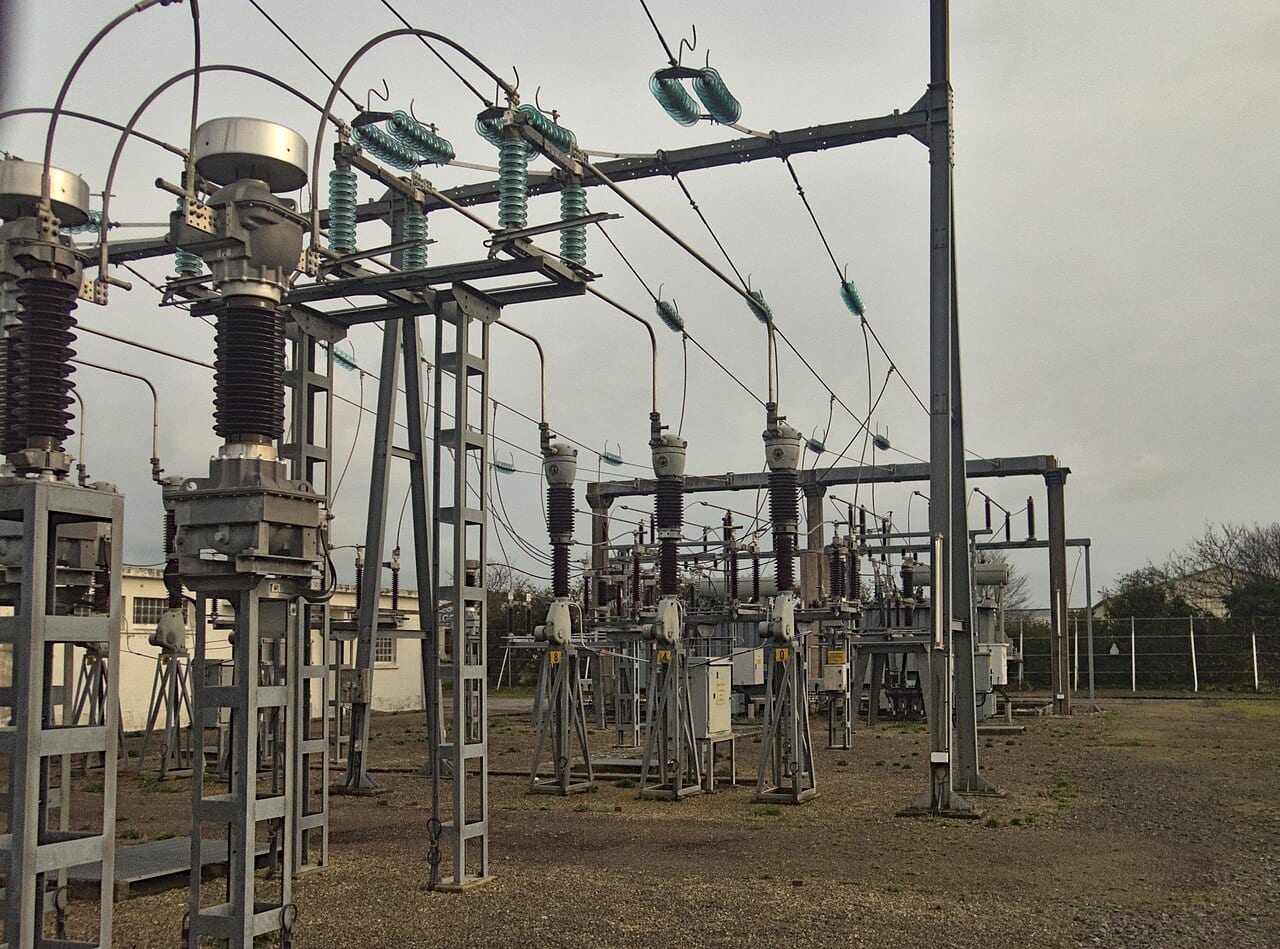
Maintain and test the equipment that receives and distributes power at a substation. The work can cover breakers, transformers and switches. Control circuits are part of the system too. Read the drawings and equipment records to define the work. A substation has power equipment as well as protection and control systems.
Carry out approved tests and keep results tied to the correct equipment. Work with the relay technician where protection circuits are involved. A test result needs context: the equipment identity, condition and method matter as well as the number recorded.
Support planned outages, repairs and handover with operations. The site names who controls switching and return to service. A high-voltage electrician may have overlapping equipment duties. Employers divide these tasks in different ways.
Electrical Substation Technician Pay and Job Outlook
Job Bank lists CAD 33.03 to 69.92 per hour for Alberta power-system electricians in 2024. U.S. powerhouse, substation and relay repairers earned USD 65,730 to 129,920 a year in May 2025. The U.S. range covers the middle 80%. Both are wider occupation comparisons, not a specialty-only rate.
Canada projects about 1,200 openings for power-system electricians in 2026–2035. About 500 could come from retirements.
Training for Electrical Substation Technicians
You can enter through power-system or related technical training. Alberta trains power-system electricians in several areas. These include substations, protection and metering. Some posts need a trade certificate. Others call for a technical diploma.
U.S. routes also vary by employer and equipment scope. Product and test-system training can follow hiring. The company must check practical skills and assign suitable duties. Passing a test course does not give site switching approval.
Challenges of Maintaining Oil and Gas Substations
Old drawings, equipment changes and several contractors can make a project difficult to follow. Clear test records and handovers help the next team understand what was checked and what remains open.
Outages may be scheduled at nights or weekends. Field service can add travel and time away from home.
Perks of Working on Oil and Gas Substations
You can follow a power system from its drawings to the equipment and test evidence. You trace faults and work with protection and site teams. Skills can transfer between plants and utilities. Each site still needs its own training and preparation.