What Does a High Voltage Electrician Do in Oil and Gas?
A high voltage electrician works on the equipment that brings power into an oil or gas site and feeds large machines. They may check switchgear, cables and transformers. When a fault cuts power, they help find where it started and tell the site what needs repair before work can resume.
How High Voltage Electricians Maintain Industrial Power Equipment
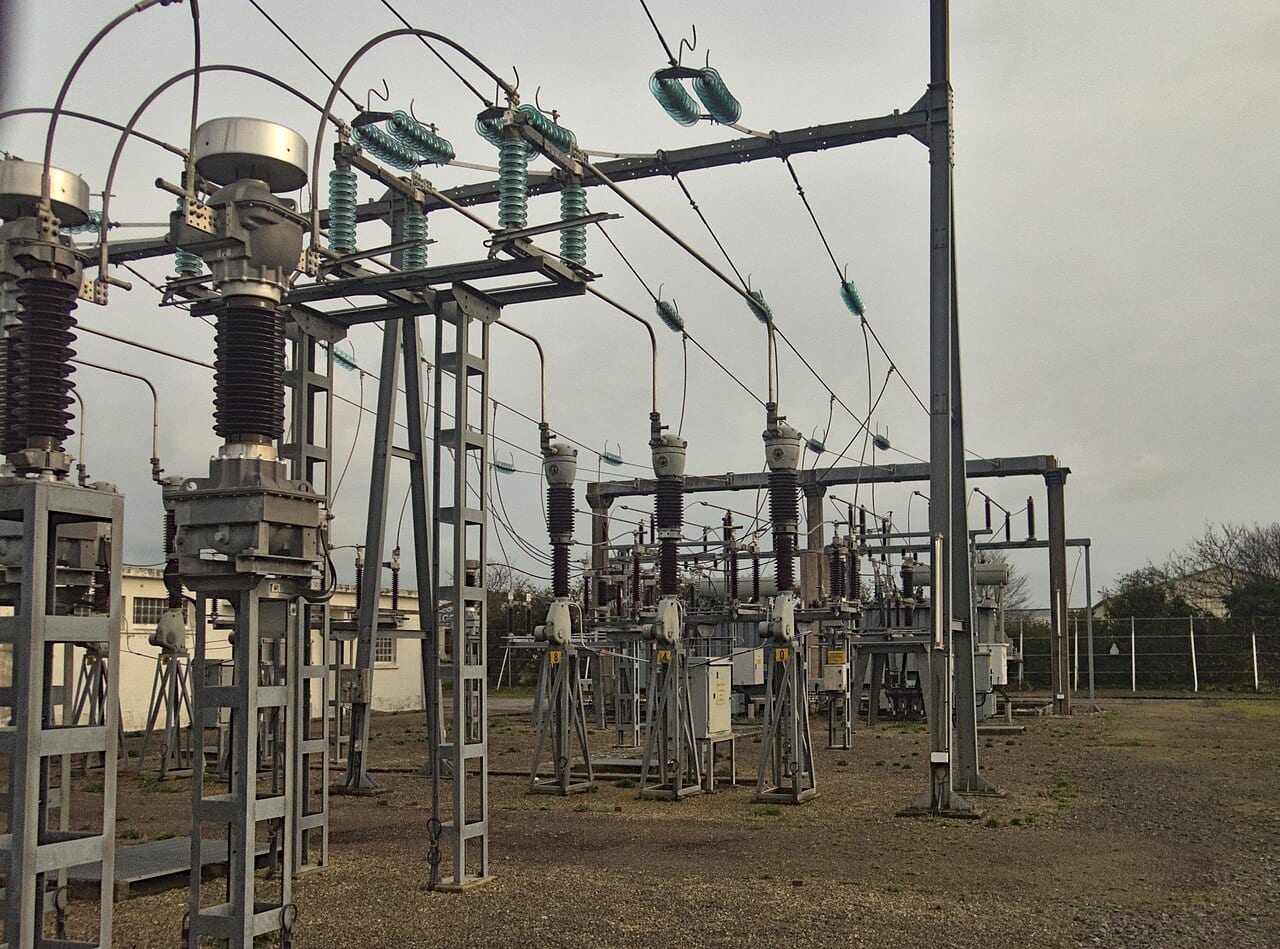
Work on the power equipment serving an industrial site within a defined, authorized scope. The job may involve switchgear, transformers, breakers and plant substations. High voltage describes the equipment. It is not a single ticket that permits every task on it.
Read the power-system drawings and equipment history before the assigned maintenance or test work. Coordinate with operations and the substation technician. The site names who can approve switching and return to service. Working on equipment does not put the electrician in charge of the whole site supply.
Keep test results and changes traceable. A relay technician may check protection systems, while line crews have a different scope. This guide concerns plant and substation equipment. Installing and repairing overhead power lines is not the same occupation.
High Voltage Electrician Pay Compared with Power Line Data
Alberta power-system electricians earned CAD 33.03 to 69.92 per hour in Job Bank’s 2024 data. In the U.S., the wider powerhouse, substation and relay repair group earned USD 65,730 to 129,920 a year in May 2025. The U.S. range covers the middle 80%; neither figure is a high-voltage premium.
Canada projects about 1,200 openings for power-system electricians in 2026–2035. About 500 could come from retirements. This covers the wider occupation. Power-line wage schedules describe different work.
Trade Training for High Voltage Work at Oil and Gas Sites
You can enter through an electrical trade or power-system training. Alberta has a separate four-period power-system electrician programme. Its certificate is optional in Alberta. This differs from the compulsory electrician trade. Employers can still require a certificate.
U.S. and Canadian employers need proof of skills for the equipment and duties. They teach site procedures and assign who can do the work. Specialist training may follow hiring. A trade ticket or short high-voltage course alone does not cover all switching or tests.
Challenges of Working as a High Voltage Electrician
The work needs close control of equipment identity, drawings and communication. A plant may have more than one source of supply. The crew must know the limits of its assigned work and who controls access and operating decisions.
Planned outages can mean travel and work outside normal hours. A failed test may delay the next stage.
Perks of Working as a High Voltage Electrician
You can build a focused skill in the equipment that keeps a plant supplied with power. The work combines drawings, testing and practical maintenance. It can offer a specialist path across plants and utilities. Each new type of equipment needs its own training.