What Does a Rig Electrician Do on an Oil Rig?
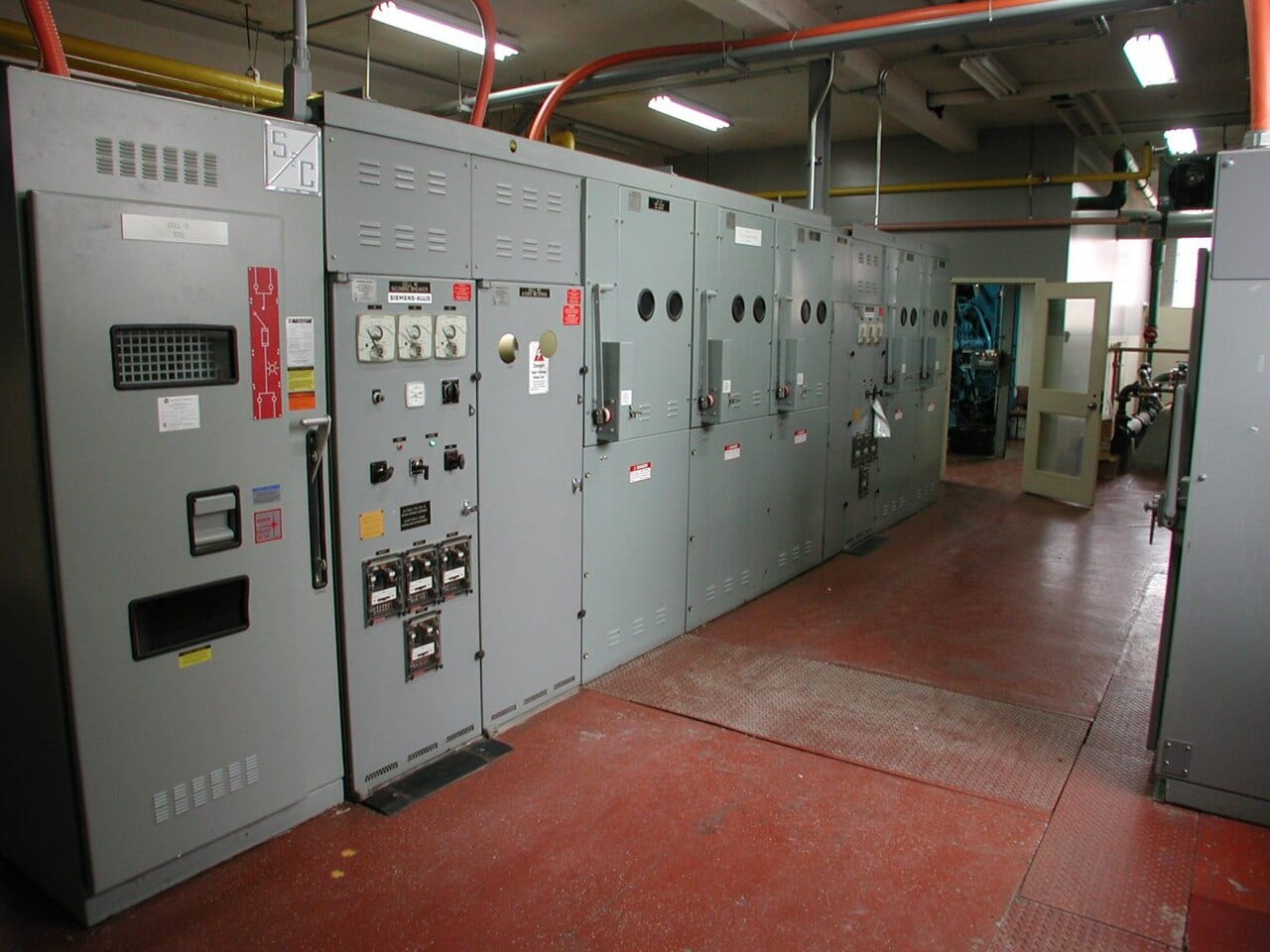
A rig electrician installs, checks and repairs the electrical gear that keeps an oil rig running. The work covers power from generators and motors that drive pumps. It can include controls at the driller’s seat too. They trace faults and tell the crew what has to happen before the equipment can run again.
Power and Control Checks for Electricians on Oil Rigs
A rig electrician finds faults in the power and control systems on a drilling rig. You review the reported symptoms and fault history with the crew. The problem may involve a motor drive, generator control, panel or cable. A rig mechanic checks the related moving equipment when the cause crosses trade boundaries.
Work can include planned inspections, equipment tests and repairs under the site’s approved electrical process. Variable-frequency drives control motor speed; programmable controllers manage parts of the rig sequence. Read the drawings and learn how the installed system works. Specialist tasks and electrical approvals stay within the worker’s authorized scope.
Keep inspection and repair records, spare-parts needs and unresolved faults current. A top drive technician may help on that package. The toolpusher needs an accurate update on equipment availability. A clear handover helps the next shift. It shows which tests are done and what remains unfinished.
Rig Electrician Wages and Job Outlook
Job Bank lists CAD 25.00 to 68.00 per hour for industrial electricians in Alberta for 2023–2024. In May 2025, the middle 80% of U.S. electricians earned USD 20.50 to 52.17 per hour. Those groups cover more jobs than rig work.
Canada projects about 15,200 openings in its wider group from 2026 to 2035. About 8,900 could come from retirements.
Trade Training and Site Requirements for Rig Electricians
Industrial electrical training and rig-control experience can provide a route. In Alberta, only people authorized under the trade rules can do restricted electrical tasks. This includes qualified tradespeople and eligible apprentices. U.S. licensing and employer requirements vary by location and duties.
The employer may provide training on its rig controls and drives. Site orientation and field safety requirements are separate from trade competence. Precision’s West Texas example seeks experienced rig support. Its rotation and experience level do not apply to every post. Electrical work needs the site’s approved isolation and test process.
Challenges of Working as a Rig Electrician
A fault can stop drilling, creating pressure for a quick answer. Intermittent problems may disappear before the electrician reaches the site. Good fault notes and crew observations help narrow the cause without assuming every shutdown has an electrical source.
Field support can involve night calls and remote travel. Much of the work is outdoors. Parts may be far away. Shop and resident-rig posts can have different schedules.
Perks of Working as a Rig Electrician
You work with power, motors and controls in the same operating setting. A repaired fault gives direct feedback on the diagnosis. The role can build deep knowledge of rig systems and support moves into specialist service work. New equipment models still need training. A wider role may need more trade experience.