What Does a Tool Pusher Do on an Oil Rig?
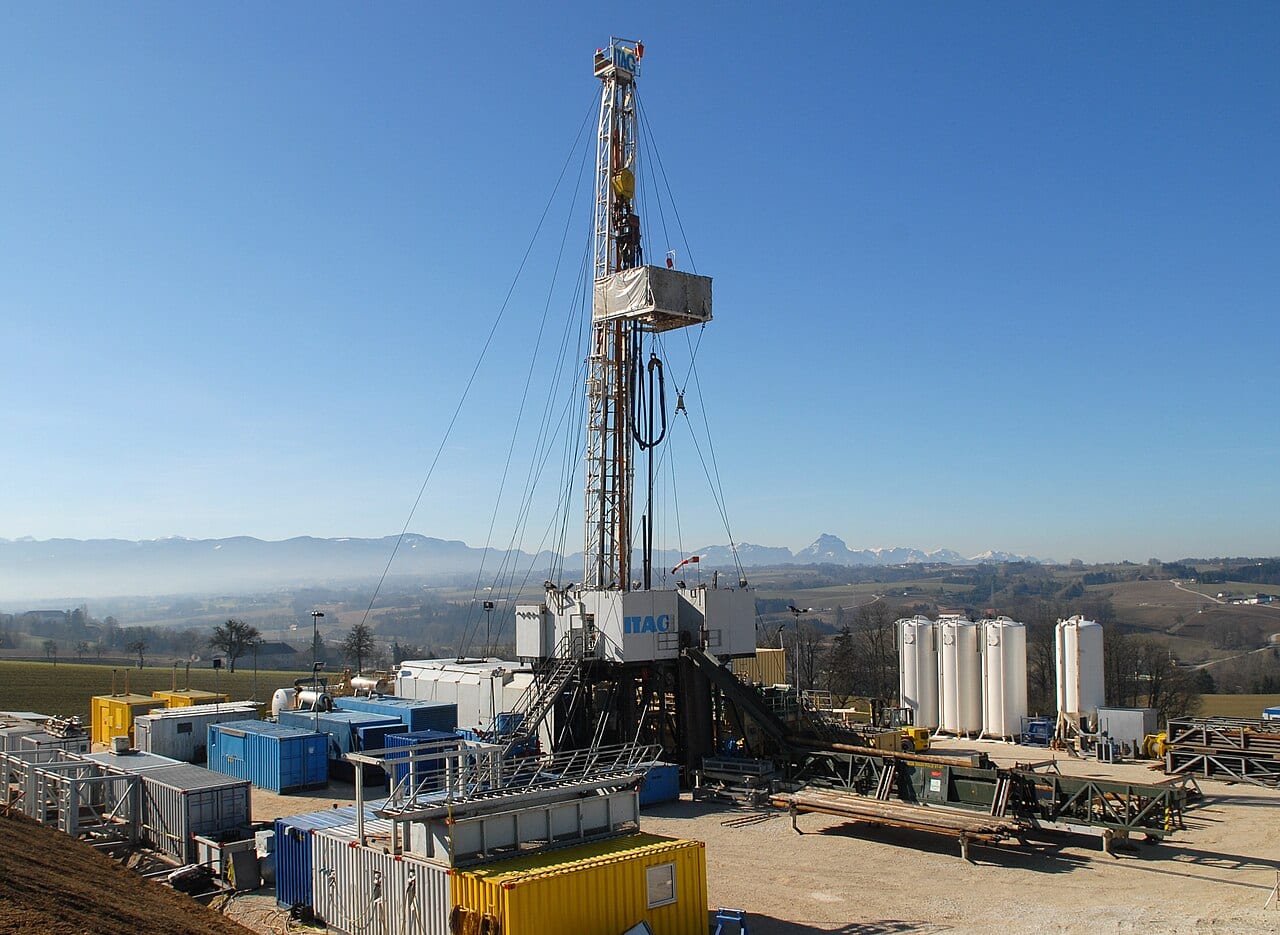
A tool pusher manages the rig for the drilling contractor. They line up crews, equipment and supplies so the work can go ahead. If a repair or weather delay changes the plan, they help decide what can proceed and keep the crew and the well operator up to date.
How Tool Pushers Manage Rig Crews and Equipment
A toolpusher manages the drilling contractor’s rig and crews across shifts. Review staffing, equipment condition and the work due next. The driller leads the controls on tour. The toolpusher arranges the wider resources and follow-up that keep those shifts ready.
Plan maintenance, parts and rig moves with the crews and office. Track repairs that could affect the next well and make sure a request has an owner. A company representative works for the well operator. The toolpusher works with that person while keeping contractor and operator authority clear.
The drilling engineer helps develop the well plan. A mud engineer advises on fluid properties. These include equivalent circulating density, which describes the pressure effect of mud as it moves through the well. Pass relevant changes to the crew. The toolpusher does not independently redesign the well.
Coach drillers, review training needs and keep accurate reports for the contractor. In Canada, rig manager is a common title for this work. A separate superintendent or night pusher may also help. That depends on the rig and the contractor’s structure.
Tool Pusher Wages and Job Outlook on Oil Rigs
Job Bank’s 2023–2024 range for Alberta drilling and well service supervisors was CAD 32.00 to 73.00 per hour. In May 2025, the middle 80% of U.S. first-line supervisors in construction and extraction earned USD 25.62 to 61.66 per hour. The U.S. group includes jobs beyond oil rigs.
Canada projects about 4,300 openings in the Canadian group from 2026 to 2035. About 3,300 could come from retirements.
Tool Pusher Training and the Path from Driller to Rig Manager
Many toolpushers build experience as drillers before managing a rig. Contractors look for crew leadership, maintenance planning and rig-move experience. Learn budgets, reporting and how to resolve staffing issues as well as the equipment.
An Alberta rig manager needs a valid well-control certificate. The operator’s representative is a separate role with its own duty. U.S. and offshore employers set the accepted supervisor and access courses. A course alone does not replace experience. The company must appoint the person to lead that rig.
Challenges of Working as a Tool Pusher on an Oil Rig
A remote rig may need support between tours. A late part, road ban or weather delay can change the move plan and paid work. The toolpusher has to share those limits clearly with both crews and the operator.
People issues and technical faults can arrive together. Managing the rig across shifts should not depend on one person being available without rest.
Perks of Working as a Tool Pusher
You can improve work across the whole rig through better planning and coaching. The role lets an experienced driller use crew and equipment knowledge beyond one shift. It can support later fleet or training duties, with further responsibility set by the contractor.