What Does a Rotating Equipment Engineer Do?
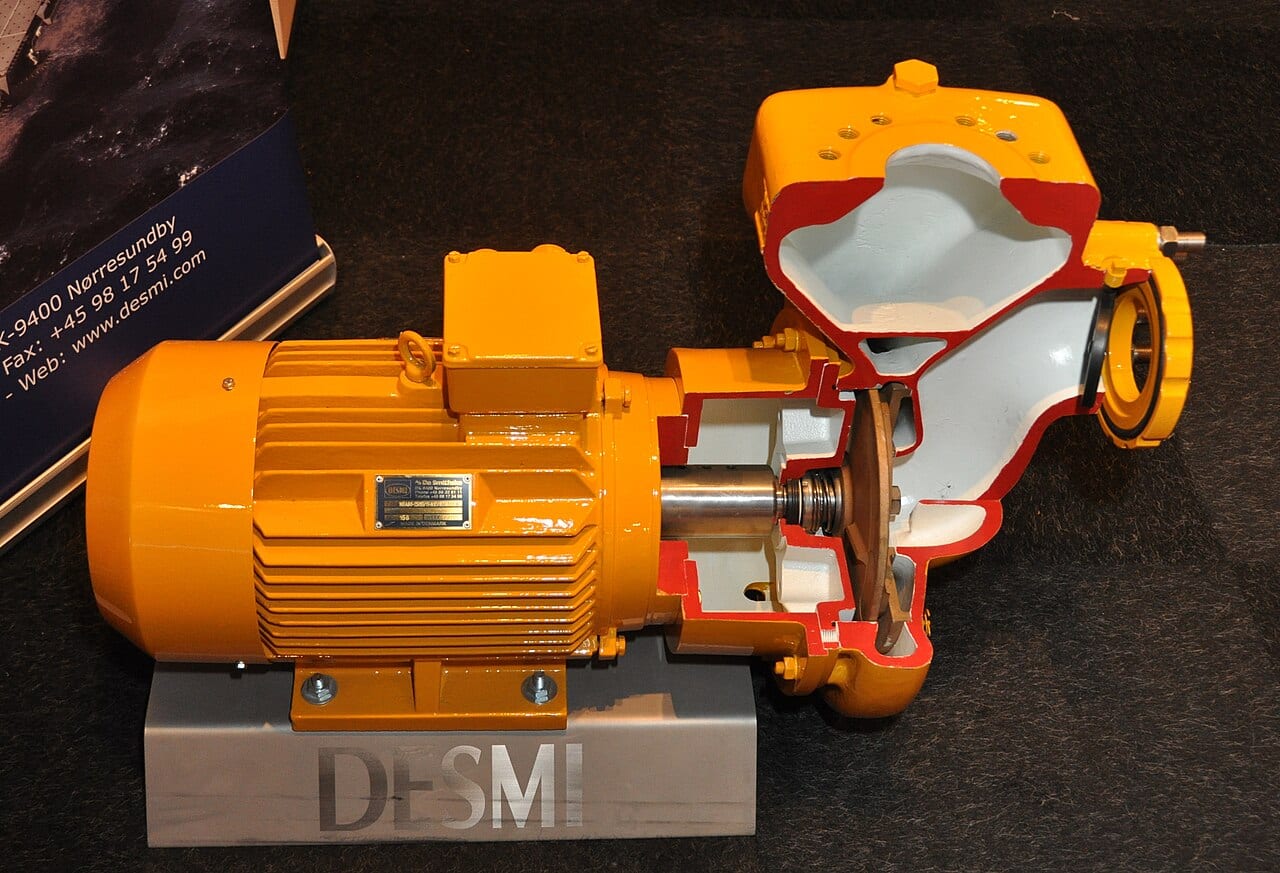
A rotating equipment engineer looks after machines with parts that spin. In oil and gas, that can mean pumps, gas compressors and turbines. They help choose new machines, check how those in use are running and work with site crews to find out why a machine failed.
How Rotating Equipment Engineers Review Oilfield Machine Problems
The engineer studies pumps, compressors and turbines. They check how each machine fits the process. They check duty requirements, operating history and condition data. A seal may fail because of the fluid or the way the machine was set up. Its use and alignment also matter. Replacing the same part may not settle the cause.
They work with mechanics, operators and process staff on the evidence. A study may compare a repair, a design change or a replacement machine. They review vendor data and tests. They also check loads passed to pipes or foundations. The proposal needs maintenance access and spares as well as predicted performance.
During an outage, the role may support repair scope and review findings from the opened machine. A millwright performs the assigned trade work. The site assigns who accepts the design, does the work and approves a restart.
Rotating Equipment Engineer Pay and Job Outlook
As broad context, Alberta mechanical engineers earned CAD 33.65 to 96.15 per hour in Job Bank’s 2023–2024 data. The U.S. middle-80% mechanical-engineer range was USD 35.57 to 79.01 per hour in May 2025. The groups include work beyond rotating equipment.
Canada projects 12,800 mechanical-engineer openings in 2026–2035, including 6,100 from retirements.
Rotating Equipment Engineer Training and Career Path
Mechanical engineering is a common route. Learn how fluid machines work. Study vibration, materials and how to choose a machine for a process. Field and shop time help you judge what a report or model leaves out.
Employers may provide machine and vendor training under senior review. Local rules govern who can practise and approve engineering work. API source-inspector credentials cover supplier checks. They do not qualify a person to lead every design or repair study.
Challenges of Working as a Rotating Equipment Engineer
The evidence can be incomplete until a machine is opened, while the plant needs a repair plan. A spare may also have a long lead time. You need to work with several trades and explain which findings change the scope. Outage support or call-outs can extend beyond the normal week.
Perks of Working as a Rotating Equipment Engineer
You can follow a machine from its operating symptoms through a repair and later performance. The role links study work with shop and site evidence. It can lead toward equipment expertise or reliability leadership.