What Does a Roughneck Trainee Do on an Oil Rig?
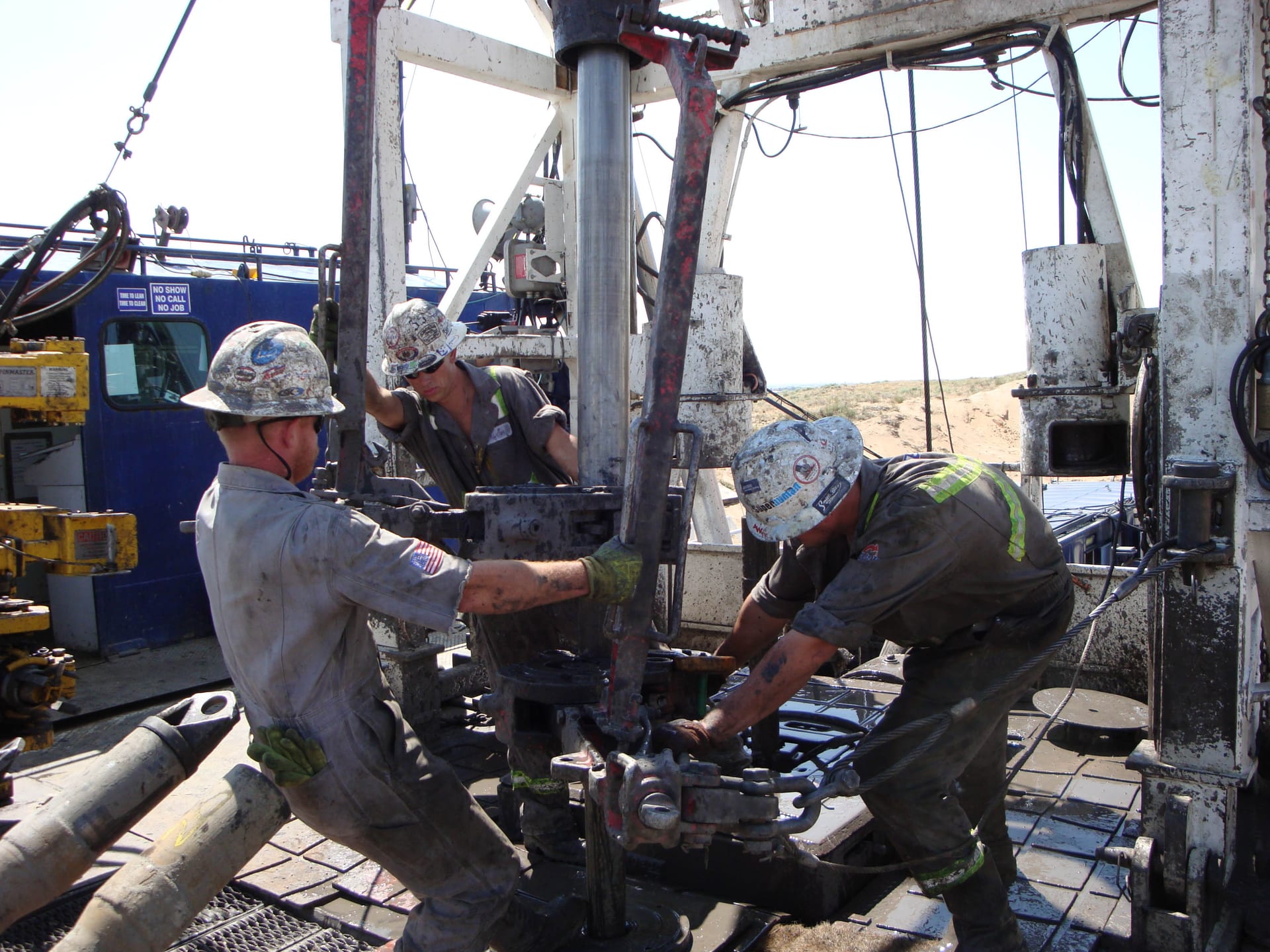
A roughneck trainee is a new floorhand learning to work on a drilling rig. They start by watching the crew, helping get tools ready and keeping the work area clear. A more experienced worker shows them how the crew moves pipe and what to do before taking on a new task.
What a Roughneck Trainee Learns on the Rig Floor
A roughneck trainee learns floorhand work under the driller and experienced crew. Start with the rig layout, tools and clear communication. The crew needs to know where everyone is during pipe work. Observe the assigned method and ask before taking on a task that has not been taught.
As skills are checked, help with tools, housekeeping and pipe-handling duties within the training plan. Keep the rig floor clear of loose items and report damaged tools. The instructor or crew lead decides when the trainee is ready for another task. Time spent near a machine is not proof of competence on it.
Roughneck and floorhand commonly name the same drill-floor role. A roustabout is a separate support job. Some Canadian crews also have a junior leasehand. A roughneck-trainee posting should explain whether it trains someone for floorhand duties or uses trainee as a general entry label.
Canadian Job Outlook for Roughneck Trainees
Canada projects about 500 openings in the broader drilling and well-service labourer group for 2026–2035, including about 400 from retirements. These totals include other labour work and are not a trainee hiring promise.
Canada and U.S. Safety Training for Roughneck Trainees
Employers may accept related outdoor labour experience, while others seek prior rig work. The trainee learns through supervised tasks and checks by the contractor.
Western Canadian contractors commonly ask for H2S Alive and First Aid, with site courses as required. U.S. safety orientation, such as RigPass, serves a different purpose from well-control training. A basic safety card does not qualify a trainee to operate all pipe-handling equipment.
Challenges of Starting as a Roughneck on an Oil Rig
The trainee is learning while the rig keeps working. Noise and unfamiliar terms can make instructions hard to follow. Ask for a clear explanation before starting an unfamiliar task rather than hide a gap in knowledge.
Long shifts, physical work and a new sleep pattern can be demanding. Remote hitches add time away from family.
Perks of Starting as a Roughneck Trainee
A supervised route lets you learn the rig before taking on the full floorhand assignment. You can build a record of tasks and get feedback from experienced crew. Completing that training can support a floorhand opening; it does not guarantee a driller role or a fixed promotion date.