What Does an ROV Tooling Technician Do Offshore?
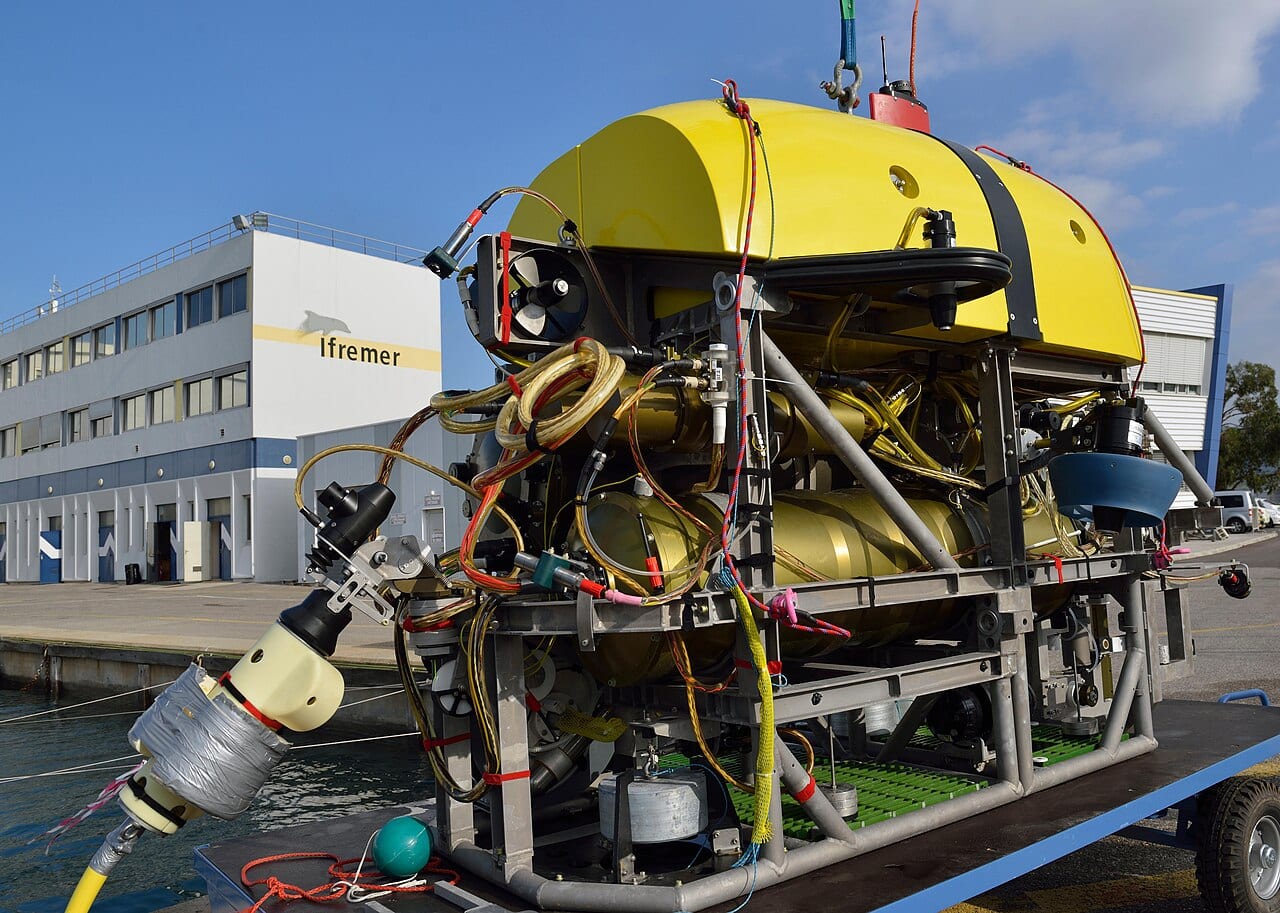
An ROV tooling technician gets tools ready for work on the seabed. The tools go on a remotely operated vehicle, or ROV. A tool might turn a valve, cut a line, or clean a part. The technician makes sure the tool fits the job and works before launch.
ROV Tooling Technician Duties Before and After a Dive
Prepare the tool for the subsea task and check its fit with the ROV. A tool may need a specific connection, hydraulic supply or control interface. Work with the team to test the assigned function before the equipment goes offshore or over the side.
Inspect returned tools and report damage, wear or a fault seen during use. Repair within the assigned skill scope, arrange spares and update the equipment history. A clear record helps the next crew know what was tested and what still needs work.
A ROV pilot technician flies the vehicle and operates its systems. Tooling staff focus on the task equipment. Small crews may combine duties. Some tooling jobs are shore-based workshops, so the title does not always mean an offshore rotation.
Training for Offshore ROV Tooling Technicians
Mechanical, hydraulic or electrical experience can provide a route. Learn diagrams and test records for the tools you handle. Vendor training and supervised workshop work help build practical skill. An experienced repair post may need several years with hydraulic equipment.
Offshore assignments add the region’s survival and medical requirements. Employers also assess competence for the particular ROV or tooling system. IMCA guidance can support that process; a course or job title alone does not show skill on every tool.
Challenges of ROV Tooling Work Offshore
A tool that fails at depth can need a lengthy recovery before repair. Offshore crews also work around limited deck space and weather delays. Workshop posts face dispatch deadlines and missing parts. Both need accurate fault reports so the next test addresses the real problem.
Perks of Working with Subsea ROV Tools
You can see a tool you prepared carry out a task on the camera feed. The role suits practical fault finding and careful workshop work. A shore-based post can offer subsea equipment experience without a full-time rotation, while other jobs include travel and sea time.