What Does a Sand Removal Technician Do at a Well?
A sand removal technician helps a well service crew clear sand or other debris from an oil or gas well. They get tools ready, watch the fluid coming back and record what the crew removes. This work can help open a path for the well to flow or for another tool to pass.
Key takeaways
- Some employers list this work under coiled tubing or well cleanouts.
How Sand Removal Technicians Help Clean Out Wells
This guide covers cleaning sand or other fill out of a well. A crew may use coiled tubing or another well service method to reach it. Fluid carries the loosened material back to surface. A technician helps prepare tools and surface gear and keeps a record of the work assigned to their post.
The job record can include where the tool was working and what the crew saw in the returning fluid. Some systems send pressure and temperature data from downhole. The lead uses the observations with the job plan to judge progress. A helper reports a change rather than deciding on a new well program alone.
The coiled tubing operator runs the unit. A technician may also help with equipment checks before the job and with cleaning, inspecting and preparing tools after it. Damaged parts and incomplete checks need to stay in the equipment record.
Surface sand removal is another possible meaning in a job ad. That work can focus on sand caught in vessels during production or flowback. The equipment and the route into the job can differ.
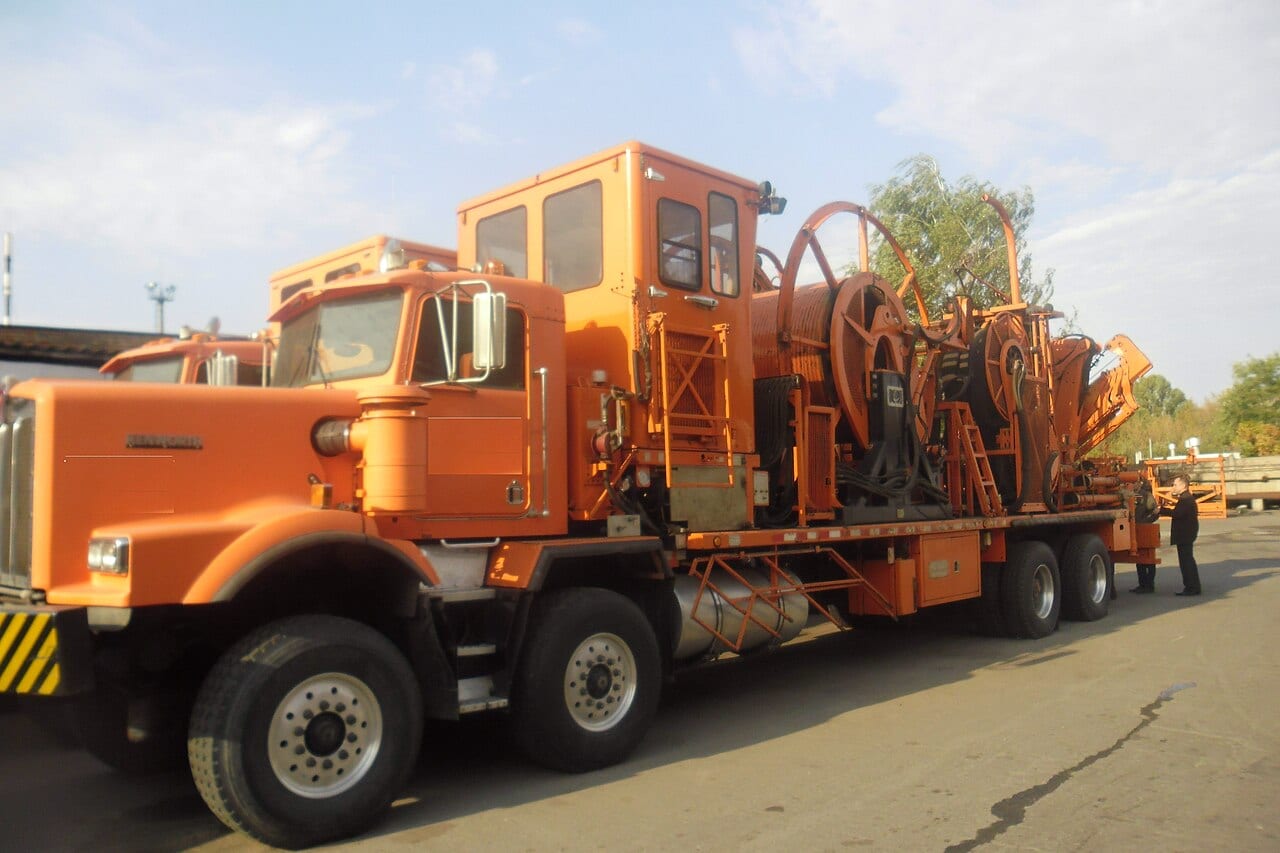
How to Train for Sand Removal Work at Wells
A helper or equipment operator job with a well service firm can be a starting point. The employer teaches its tools and record system. Early work may include equipment preparation and supervised checks before taking on a full operating post.
A general site course is one part of preparation. It does not replace instruction on the unit and the worker's assigned tasks. Driving duties may also call for a licence suited to the vehicle.
Challenges of Working as a Sand Removal Technician
The material coming back can vary during a job. Little sand in the returns does not alone tell the whole story, so the crew needs observations linked to time and tool position. A job can continue into another shift. Remote roads, long drives and a wait for equipment can add to the time away from home.
Perks of Working as a Sand Removal Technician
The work teaches how downhole tools and surface observations fit together. A helper can use that experience when applying for equipment operator or other intervention work.