What Does a Coiled Tubing Operator Do at a Well?
A coiled tubing operator uses a reel of steel pipe to run tools or pump fluid into a well. The pipe comes off the reel in one long piece. The operator works with a well service crew to set up the gear, run the job and record what happened.
How Coiled Tubing Operators Run Reels and Well Service Equipment
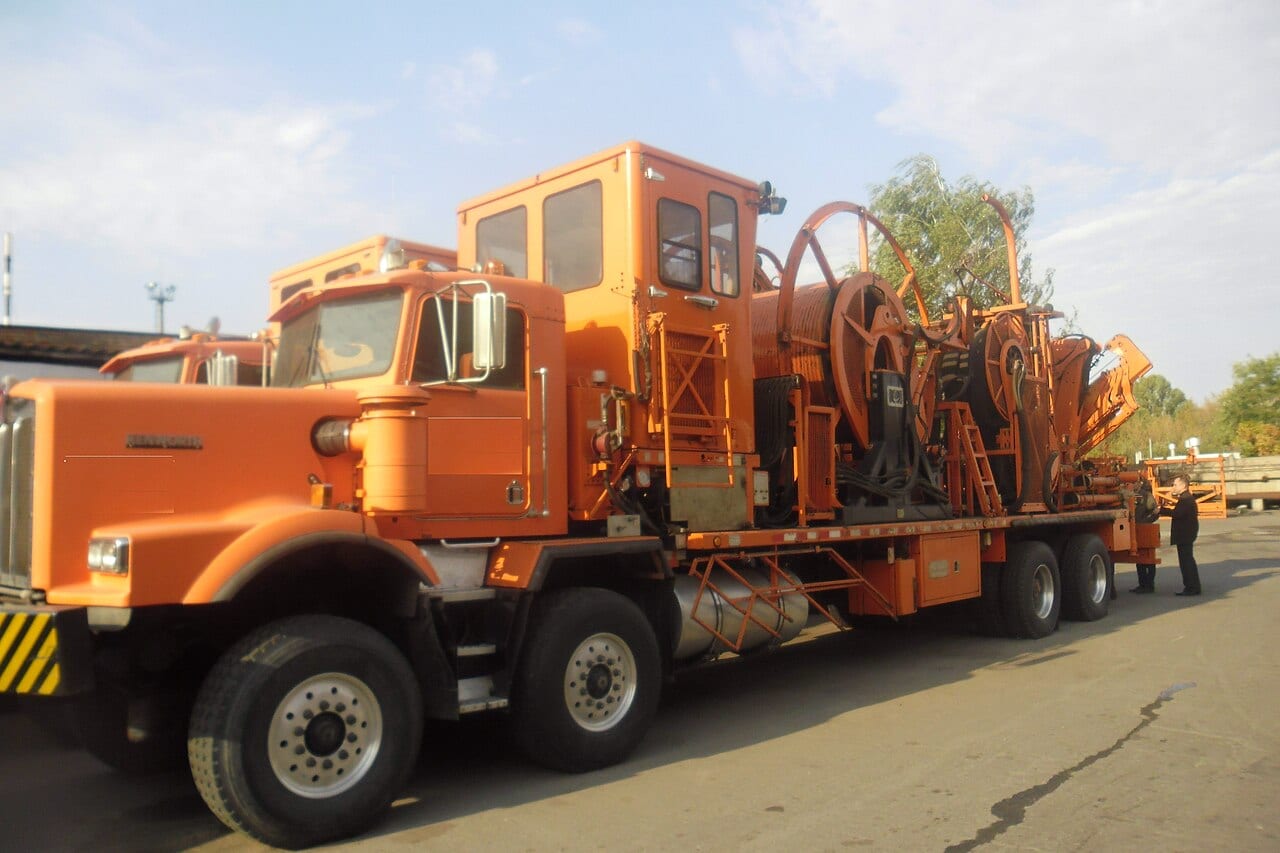
Prepare and operate the assigned coiled tubing equipment with the service crew. The main items include the reel, injector and pressure-control equipment. The injector moves the continuous coiled tubing. A field engineer may support the plan and models while the operator runs the assigned unit.
Track depth, load and other job data under the approved programme. Keep the tubing’s identity and work history clear. Repeated bending and past service affect its condition. Tell the supervisor when readings or equipment condition differ from the plan; a screen alone cannot establish that every input is correct.
Help with equipment preparation, maintenance and job records. Driving may be part of a land assignment, while offshore crews have different transport and equipment layouts. A snubbing operator works with a different pipe-handling system. Experience on one unit does not automatically cover the other.
Coiled Tubing Operator Wages and Job Outlook
Job Bank’s range for Alberta drilling and well service workers was CAD 29.00 to 47.30 per hour in 2023–2024. In May 2025, the middle 80% of U.S. oil and gas service unit operators earned USD 18.72 to 46.90 per hour. Both figures cover wider job groups.
Canada projects about 500 openings in the Canadian group from 2026 to 2035, mostly from retirements.
Coiled Tubing Operator Training for Well Service Work
Employers may hire trainees or seek prior service-unit experience. Learn the equipment through classes, yard practice and supervised field work. Trican’s Canadian guidance says suitable Class 5 candidates may receive further driver training; the actual post sets the licence needed.
Site and well-control training must fit the duties. Offshore work adds medical and survival requirements for that region. The company should explain what it provides after hiring. A driver’s licence or short course alone does not make someone ready to run every coiled tubing system.
Challenges of Working as a Coiled Tubing Operator
Land work can involve long drives, rural roads and equipment moves in poor weather. Set-up and maintenance are physical parts of the job. A delay at one well may change when the crew returns to base.
On-call periods can disrupt time with family and friends. Offshore and land schedules differ.
Perks of Working as a Coiled Tubing Operator
You can learn a specialist service unit and see how it supports work inside existing wells. The role combines practical equipment work with job data and a small crew. Training can lead to more complex operating duties as skills are checked and experience grows.