What Does a Snubbing Operator Do at an Oil or Gas Well?
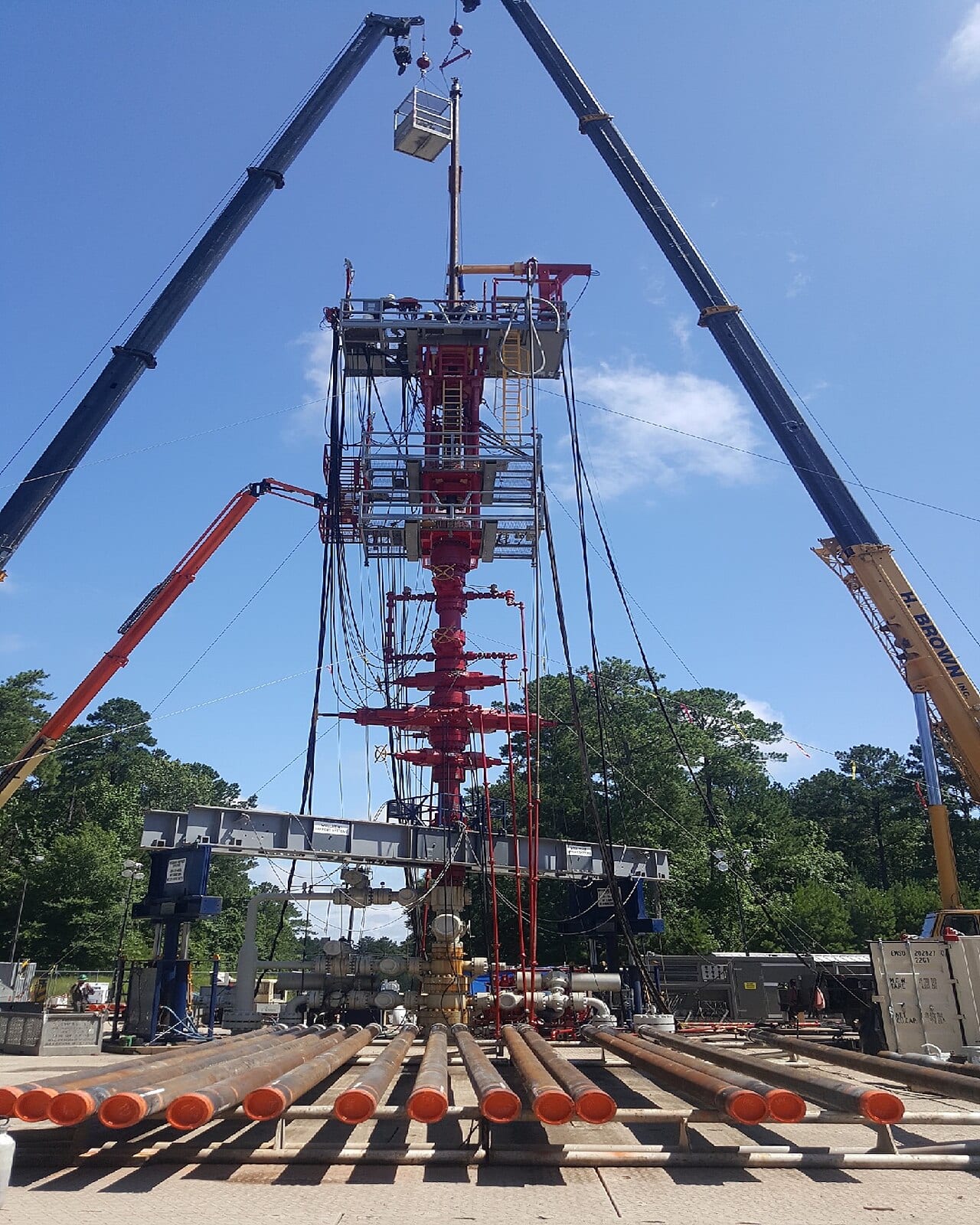
A snubbing operator helps move pipe into or out of a well that is still under pressure. The unit grips the pipe and moves it while the crew watches the well and the equipment. The work lets a service crew reach parts of the well that need repair or other work.
Equipment and Crew Duties for Snubbing Operators at Live Wells
A snubbing operator works with a crew that moves jointed pipe in a well under pressure. The hydraulic unit pushes or lifts the pipe. The job uses dedicated pressure-control equipment. Each worker’s assigned task and communication matter. The supervisor sets crew duties under the job plan.
Assistants can start with equipment preparation, pipe handling and routine upkeep under supervision. Experienced operators handle the assigned controls. They report changes to the supervisor. The approved job plan defines responsibilities. A well engineer may help plan the job. The operator follows the assigned field scope.
Keep equipment checks and job records current for the next crew. A coiled tubing operator uses continuous pipe from a reel, while a wireline operator uses cable equipment. Those are different service methods. Snubbing and hydraulic workover duties can overlap, so check the actual unit and work performed.
Snubbing Operator Wages and Job Outlook
Job Bank lists CAD 25.00 to 70.00 per hour in Alberta for 2023–2024. The group includes drillers and other well service workers. In May 2025, the middle 80% of U.S. oil and gas service unit operators earned USD 18.72 to 46.90 per hour.
Canada projects about 9,600 openings across its group from 2026 to 2035. About 5,100 could come from retirements.
Field Training and Competence for Snubbing Operators
Entry workers can learn with an experienced crew, then progress through the employer’s training and competence checks. A senior operator post may require substantial snubbing experience. The job level sets which tasks can be assigned. An entry course does not prove readiness for every well.
Alberta no longer accepts applications for new snubbing trade certificates. Existing certificates remain valid. Alberta does not require a trade certificate to work or train in snubbing. Industry training remains available. Employers still set the training and skills needed for the work.
Challenges of Working as a Snubbing Operator
Jobs can run through the night on remote sites. Weather, travel and a changed well plan can extend time away from home. Repetitive pipe work still requires attention and clear communication throughout the shift.
Equipment availability and the well’s condition can change the schedule. Operator can mean a different level at another contractor.
Perks of Working as a Snubbing Operator
You learn how hydraulic gear and pipe handling fit together. The work also shows how a specialist crew is organized. The role offers practical team work and a clear progression of assigned duties. More duties depend on experience and proven skill. A job title alone does not prove readiness to lead harder work.