What Does a Coiled Tubing Field Engineer Do?
A coiled tubing field engineer plans work that uses a long steel tube to reach inside a well. They help the crew choose tools, track readings during the job and report what happened. The work may clear debris or help restore flow from a well that is already in service.
How Coiled Tubing Field Engineers Plan Loads and Tubing Life
Plan and support the technical work for a coiled tubing service. Check the well record, job objective and proposed equipment with the operator and service team. The model needs the correct tubing size and work history. Expected well conditions matter too.
Review loads, fluid behaviour and the tubing’s fatigue record within the assigned scope. Repeated bending matters to tubing life. Compare field readings with the plan and explain differences to the operator and supervisor. The model supports decisions; it does not replace checked inputs or field judgement.
Keep design revisions and the final job record clear. A well intervention engineer may coordinate the wider programme. The CT field engineer supports the service’s technical scope, while the unit crew operates its equipment. Some roles are mainly field-based; others combine office planning and live support.
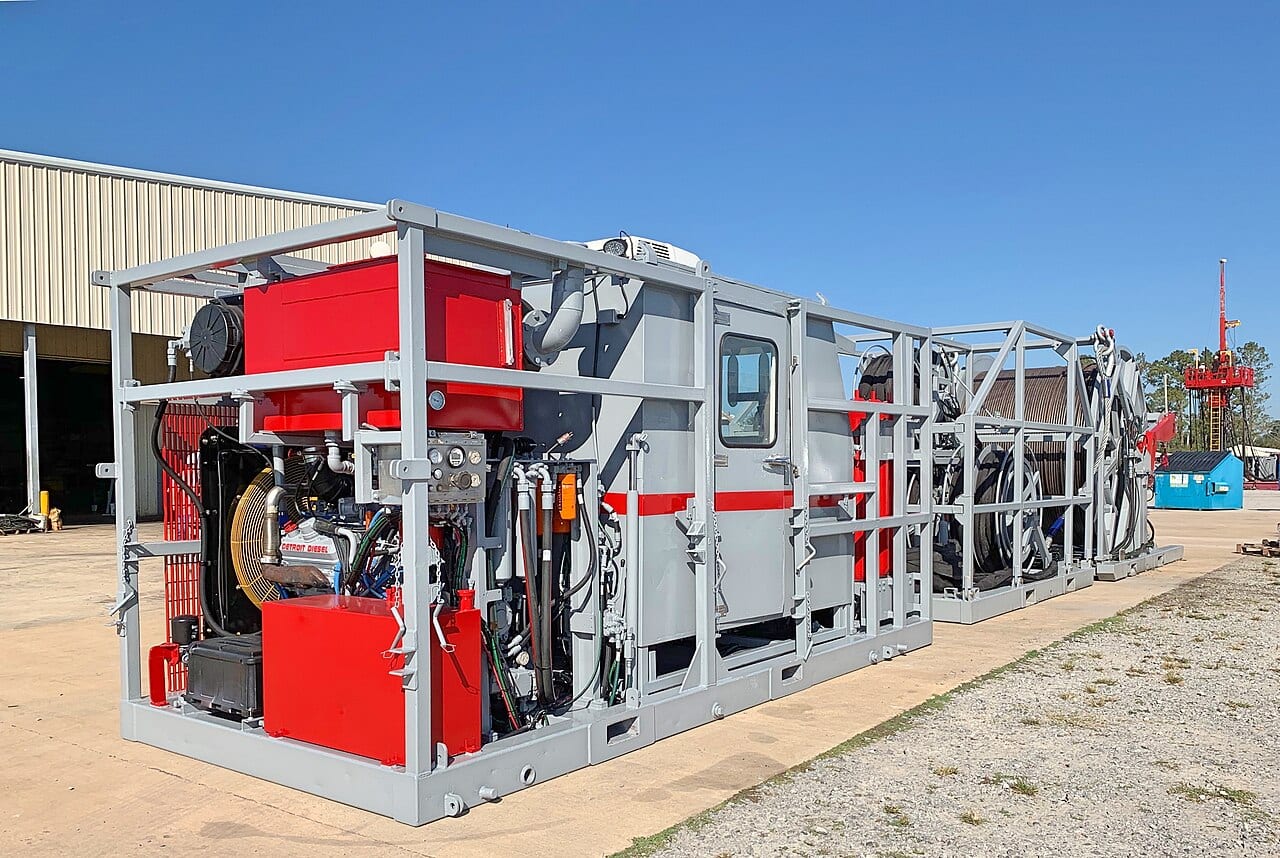
How to Become a Coiled Tubing Field Engineer
Engineering or relevant technical study can provide a route, followed by supervised service experience. Learn the models and physical equipment together. Designs need review. Check the professional qualifications needed for the region and duties.
Employers provide their tools and technical process. Well-control and site courses must fit the actual role. Offshore work adds regional requirements. A software course alone does not prove practical skill on every coiled tubing system.
Challenges of Working as a Coiled Tubing Field Engineer
A tubing record or well input may be incomplete when planning begins. The engineer needs to make those gaps visible and test the model’s assumptions. A neat result from poor inputs is still uncertain.
Field jobs can bring remote travel and long shifts. Office support may cover several crews and time zones.
Perks of Working as a Coiled Tubing Field Engineer
You can follow a technical plan into field use and learn from its results. The role combines modelling with practical equipment knowledge. It can suit someone who enjoys explaining why a plan fits the well and where another check is needed.