What Does A Seismic Processor Do?
A seismic processor turns field recordings into images of the rock below ground. The job starts with data from sensors on land or at sea. Processors check where those records came from, reduce noise, and test how fast waves move through the rock before they build an image for geologists to use.
Seismic Processor Duties in Oil and Gas
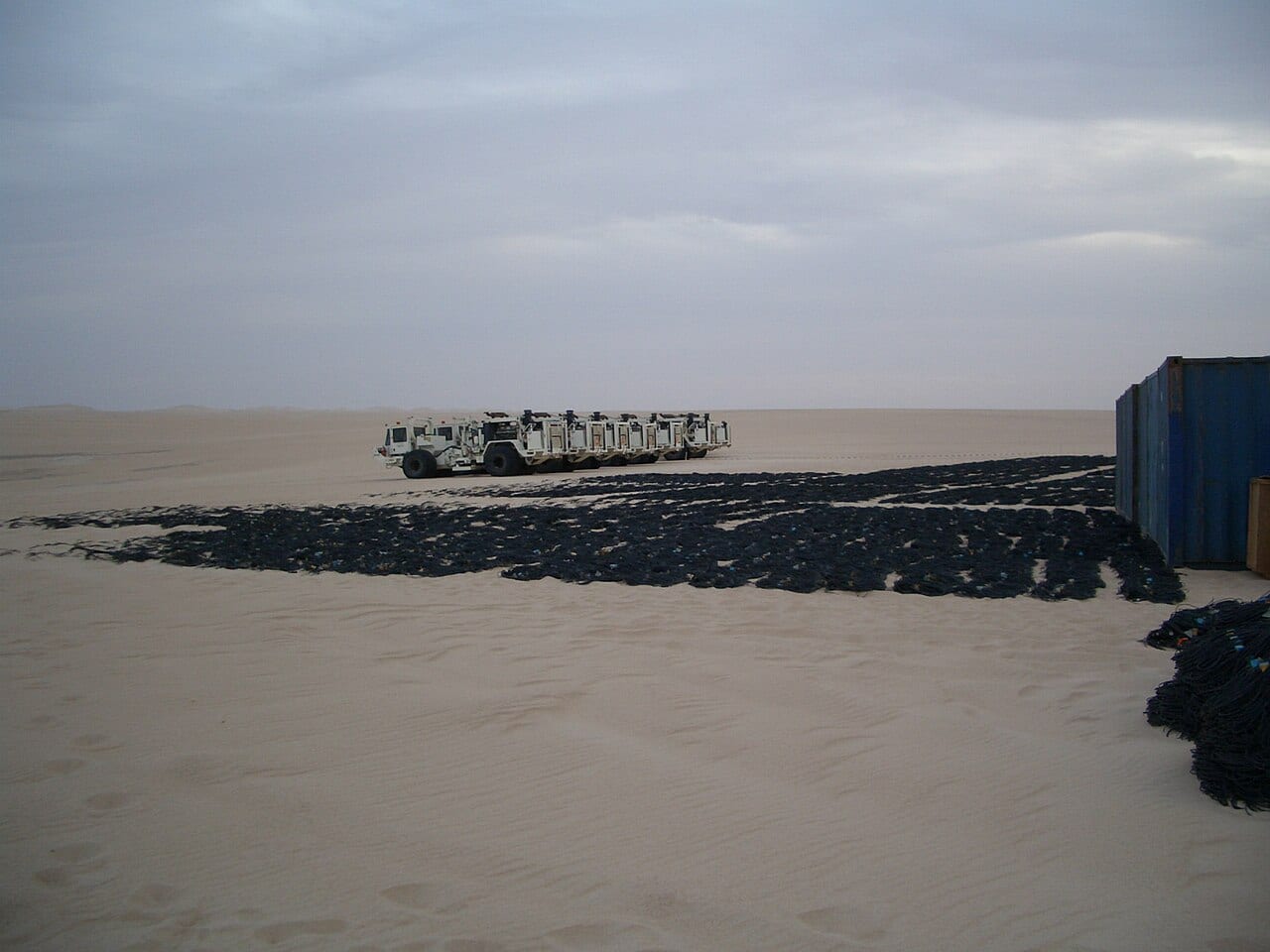
You begin with field records and the positions of sources and sensors. Check the survey geometry and gaps before judging an image. A seismic acquisition supervisor can help explain a noisy line or a change recorded in the field log. A processing step cannot restore a record that was never collected.
Use tests to reduce noise while keeping useful signal. Velocity analysis helps estimate how fast waves travel through the rock. Imaging then uses those estimates to place reflections. Keep a record of test settings and results so the team can trace how it reached the final volume.
Compare results with the project geophysicist and seismic interpreter. Explain where the image is uncertain or sensitive to the model. Processing improves the view of the subsurface; it does not by itself prove a rock layer contains oil or gas.
Seismic Processor Training and Career Path
Geophysics, physics or a related maths-based degree is a common start. Junior work can include checking data, comparing test plots and preparing reports for review. Basic programming and data-handling skills help when surveys are large. The employer’s software needs its own training.
Learn why a good-looking image can still be wrong. Keep the original data and a record of each tested version. Many jobs stay in an office. Offshore visits need extra safety training if they are part of the post.
Challenges of Working as a Seismic Processor
A filter can remove noise and useful detail at the same time. Two test changes can also hide which one made a difference. The challenge is to explain the evidence behind a result, not just make a cleaner picture. Large runs, client reviews and time zones can put pressure on deadlines.
Perks of Working as a Seismic Processor
You build skills in imaging, testing models and handling large data sets. Reprocessing an older survey can reveal detail that the earlier workflow missed, though it cannot fix every acquisition gap. Those skills can also support work in subsurface monitoring and other geophysical projects.