What Does a Tie-In Welder Do?
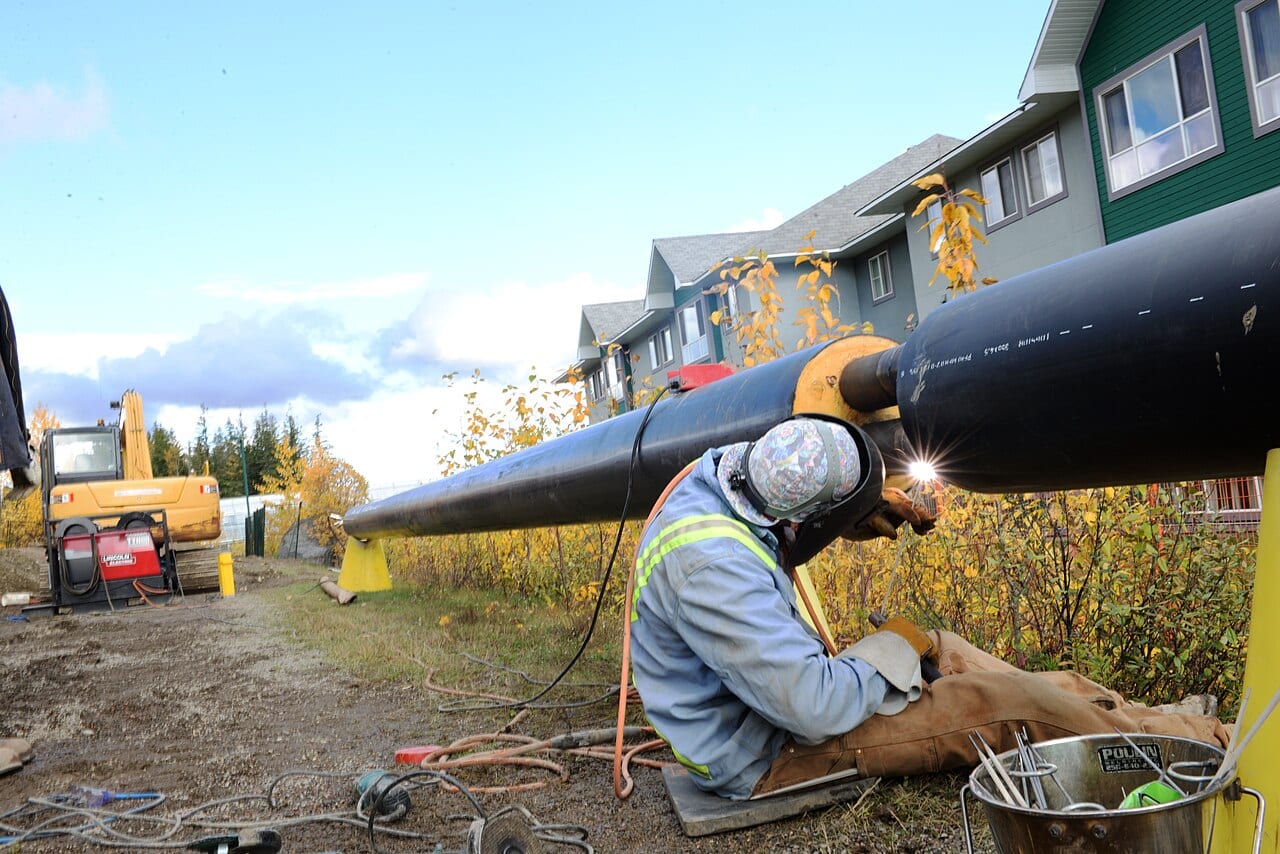
A tie-in welder connects sections of a pipeline or joins pipe to other equipment. The crew may work at a crossing, valve or station where the line has to fit a set space. The welder follows the plan for that joint and makes sure the inspection team can find the work.
How Tie-In Welders Connect Pipe at Crossings and Stations
Read the joint and welding requirements with the crew. A tie-in may connect two pipeline sections or join pipe at a station. Confirm the assigned joint and keep its identity clear for inspection records. Space and alignment can differ from long runs of repeated mainline welds.
Work with the fit-up and lifting teams on the planned connection. The sideboom operator handles a separate equipment duty. The welder follows the qualified procedure and reports an issue that changes the work.
Keep the weld record and repair history tied to the correct joint. Inspection staff assess the finished work under the project’s process. Tie-in welding is not the same as making a hot-tap connection to a live line; that needs a different plan and specialist scope.
Pipeline Tie-In Welder Wages and Allowances
For covered U.S. mainline work, the 2026–2029 PLCA-UA agreement lists standard journeyman base rates of USD 55.00–60.89 per hour for June 2026–May 2027 in its listed areas. Alaska and special-work provisions differ. These are agreement rates, not every tie-in welder’s pay.
The Canadian UA/PLCAC mainline schedule lists CAD 79.49 per hour for a Western Canada journeyman welder effective May 2025. Its 2026 rate is marked TBD in that document.
A short repair callout and a covered mainline construction job can have different pay arrangements.
Tie-In Welder Training for Pipeline Construction Work
Pipe-welding experience and a test matching the procedure are common requirements. A trade credential alone does not show qualification for every material or joint. The contractor should state the tests and site courses it accepts.
Station work and field construction can involve different access and work permits. Learn the assigned scope with the crew. Changes affecting the connection need the project’s review, rather than an improvised change to the joint or welding plan.
Challenges of Pipeline Construction Work for Tie-In Welders
Excavations and station layouts can restrict access. Weather and road conditions affect people and equipment reaching the joint. Other trades may be waiting for the connection, which adds schedule pressure. The welder still needs the right plan and inspection access for the work.
Perks of Pipeline Construction Work for Tie-In Welders
Tie-ins offer varied pipe work rather than only repeating the same joint setup. You see how sections of a project become one connected system. The experience can build skill for other pipeline construction assignments, with separate qualifications for each new scope.