What Does a Trainee Driller Do on an Oil Rig?
A trainee driller learns to run an oil rig under the eye of a qualified driller. The trainee gets time at the controls for equipment such as the hoist and rotary table. They also learn how to lead a rig floor crew and spot changes in the well.
What a Trainee Driller Learns at the Rig Controls
A trainee driller learns the controls with a qualified driller supervising. The work can involve hoisting, rotating and pumping systems, depending on the rig. Review the task and who is in charge before practice begins. The crew needs clear calls while the trainer remains able to guide the trainee.
Learn to read the equipment and well information together with reports from the floor and fluid crew. The training plan sets what a trainee can do and which observations need immediate help. This article describes the job; the contractor’s training and approved procedures govern work at the controls.
Build skills in leading the shift as well as using machinery. Practise task briefings, logs and handovers. A qualified assistant driller can be a candidate for this training, but titles and routes vary. The contractor assesses readiness for a driller position rather than promoting someone simply for attending a course.
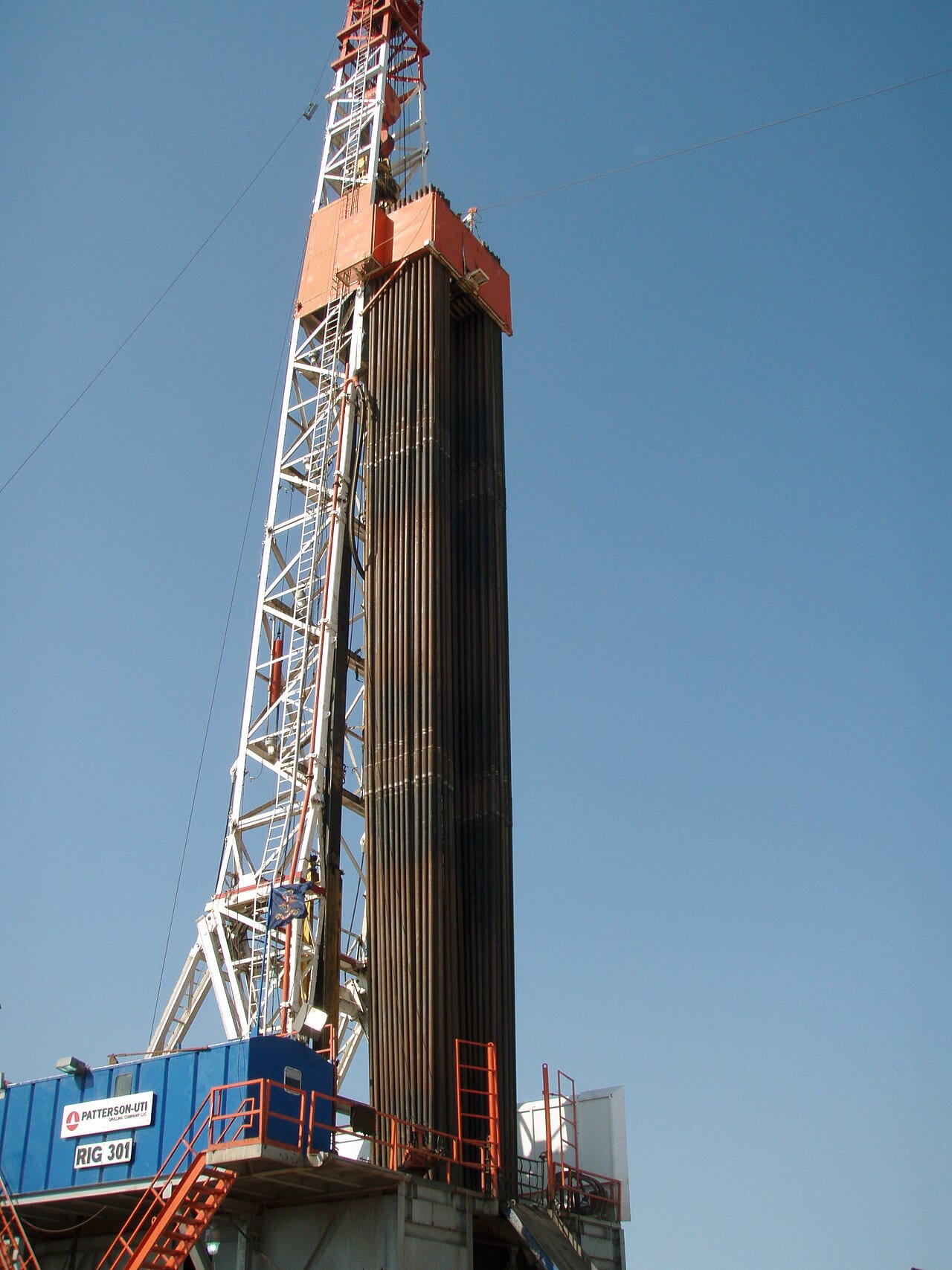
Trainee Driller Wages and Job Outlook on Oil Rigs
For qualified-driller pay, Precision’s Western Canadian offer checked in November 2026 listed CAD 57.93 per hour. It is not a trainee starting rate.
In May 2025, the middle 80% of U.S. oil and gas rotary drill operators earned USD 22.60 to 48.97 per hour. The surveys include qualified drillers.
Canada projects about 9,600 openings in the group from 2026 to 2035. About 5,100 openings could come from retirements.
Trainee Driller Training and Well Control
Employers commonly build on prior rig-crew experience. The trainee needs feedback on judgement and communication as well as time at the controls.
WellSharp Driller training is separate from basic RigPass safety orientation. The worker must meet the driller requirements before taking a qualified shift. In Alberta that includes a valid blowout-prevention or well-control certificate. Offshore roles can add regional medical and survival training.
Challenges of Training as a Driller on an Oil Rig
A busy program may leave little time for planned training. The trainee needs a qualified driller beside them for the tasks being learned.
Rotating shifts can make study and rest difficult. Travel to a remote rig also cuts into time at home.
Perks of Training as a Driller on an Oil Rig
You learn to connect control readings with crew activity while a qualified driller can explain the work. A clear training record shows the skills you have demonstrated. That can support an application for a driller opening, with further leadership experience needed for later rig-management roles.
Trainee Driller and Driller Trainee Job Titles
Contractors may use trainee driller or driller trainee. A roughneck trainee is learning work on the rig floor. A trainee driller is learning to run the rig from the controls.