What Does a Turbine Technician Do in Oil and Gas?
A turbine technician checks and repairs machines that use hot gas to turn a shaft. In oil and gas, a gas turbine can drive a compressor or make power through a generator. The technician looks for wear, helps replace parts and checks what the machine does after the work.
Inspection and Repair Duties for Gas Turbine Technicians
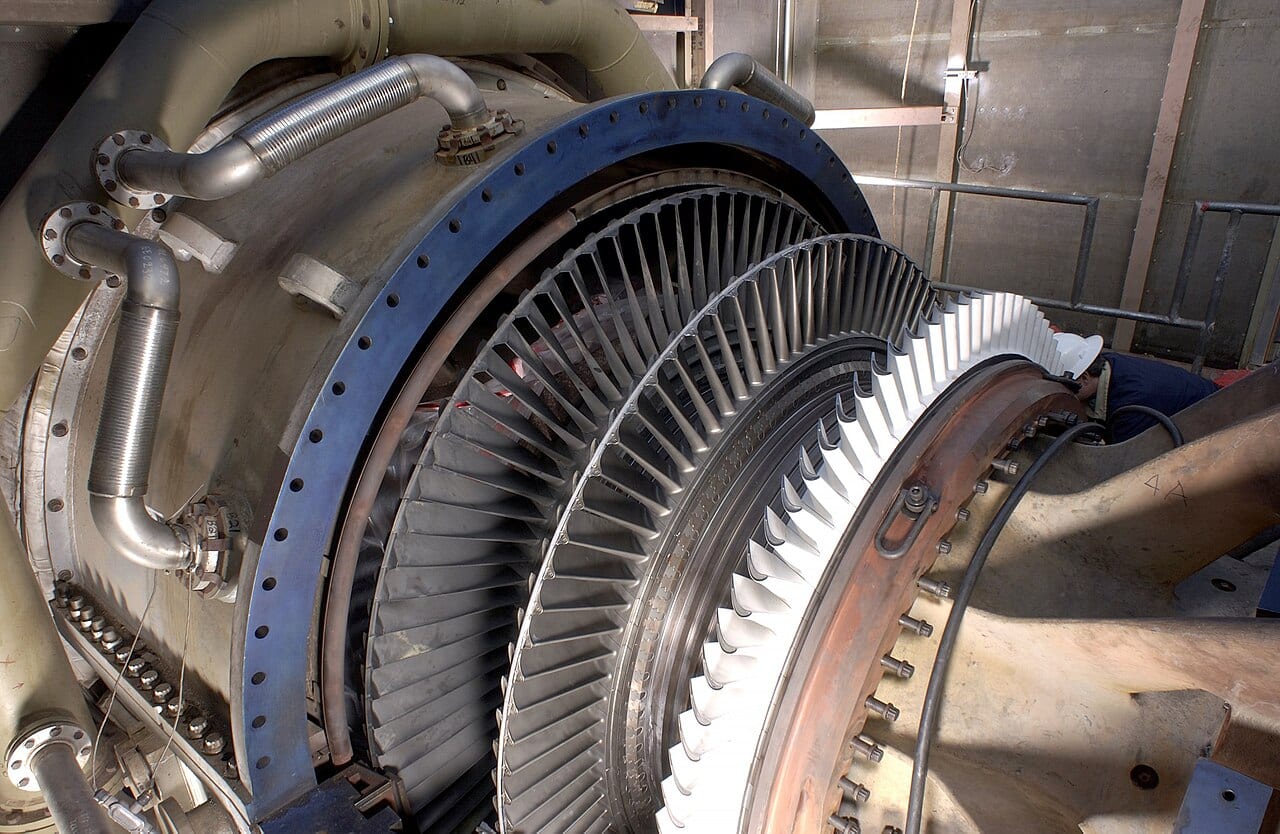
You work from the machine’s service history and the maker’s maintenance plan. During a planned stop, you check inside the machine. Worn parts may need replacement. Record what was found so engineers and the next crew can follow the machine’s history.
Mechanical work can include turbine modules, bearings and supporting systems. A controls specialist handles a different part of the package. A vibration analyst helps explain unusual machine behavior. A rotating equipment engineer reviews findings that need technical input.
After approved repairs, support the required checks and complete the service report. Record the parts, measurements and outstanding issues. Work may involve one plant or a travelling overhaul team. Some turbines are based on aircraft engines. Others are heavy industrial machines. Each family needs product-specific skills.
Gas Turbine Technician Wage Comparisons in Canada and the U.S.
For mechanical-maintenance posts, Alberta millwrights and industrial mechanics provide a broader comparison. Their 2023–2024 hourly range is CAD 27.95 to 59.63. U.S. industrial machinery mechanics earned USD 22.17 to 45.76 per hour in May 2025. This covers the middle 80% of workers.
These rates cover more than turbines. They do not fit every controls or engineering post. Canada projects about 38,400 openings in the wider mechanical group for 2026–2035. About 24,500 are due to retirements.
Trade and Product Training for Gas Turbine Technicians
Mechanical trade or relevant turbine experience can lead into the work. Controls posts may need electrical or instrument skills instead. Employers look for experience with the actual turbine family. A senior overhaul role may need years of product experience. Junior service work has a different entry level.
Maker training and supervised site work help you learn a machine. The employer should also explain travel and site training. A mechanical credential does not cover every task on the package. Electrical or engineering work may need other qualifications.
Challenges of Working as a Turbine Technician During Outages
Outages can involve long shifts, nights and weeks away. Parts and specialist support may control when the machine can return to service. Keep precise records even when the schedule is under pressure.
Different sites may have different access and work systems. A resident plant job has different demands from a travelling service role.
Perks of Working as a Turbine Technician
You see a major machine from the inside and can follow how repairs affect its operation. You use practical skills and technical records. The team helps solve problems too. Product experience can support more specialist service roles. Travel may offer variety, but it also needs to fit your life outside work.