What Does an Unconventional Completion Engineer Do?
An unconventional completion engineer plans how to get oil or gas to flow from a well in tight rock. Many jobs involve long wells that turn and run along a rock layer. You work with the team to choose where to open the well to the rock and how to treat each part.
How Unconventional Completion Engineers Plan Tight-Rock Wells
Use rock, well and production data to plan how a tight-rock well will be completed. A long horizontal section is often treated in stages. The engineer studies how stage placement and the chosen treatment fit the geology. Copying the previous well’s design may miss a change in the rock or nearby wells.
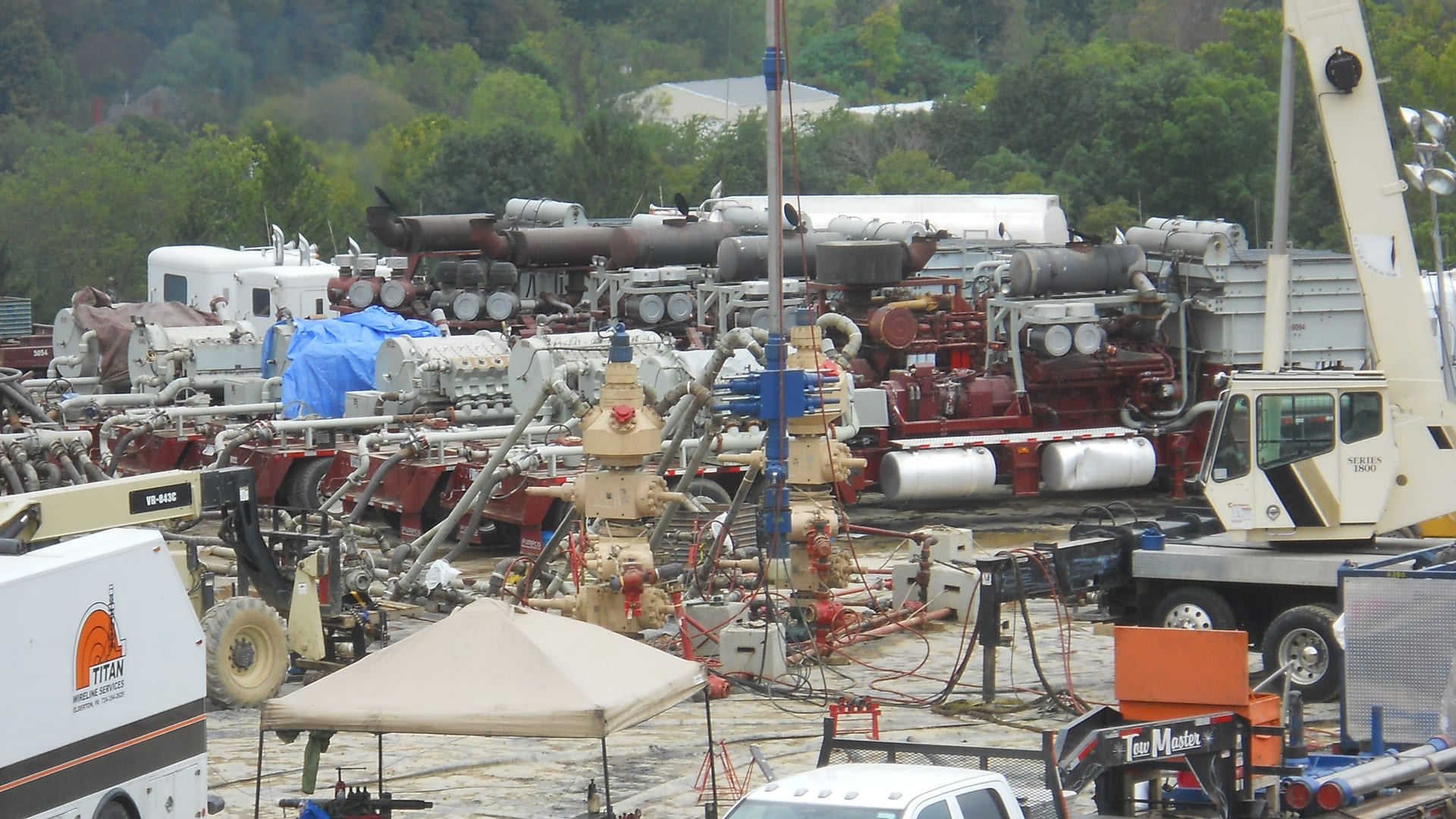
Work with geology, reservoir and fracturing engineering staff on the design and its uncertainties. Compare alternatives against the well objective and cost. The job can include a series of pad wells, so the planned order and interaction with nearby wells matter too.
Check the field records and later production before judging the design. Separate what was planned from what was actually placed or treated. A completion engineer covers the broader equipment scope. This specialty focuses on tight-rock reservoirs and how a field is developed. Field crews retain their own operating responsibilities.
Unconventional Completion Engineer Pay and Job Outlook
Job Bank lists CAD 46.67 to 96.15 per hour for petroleum engineers in Alberta for 2023–2024. In May 2025, the middle 80% of U.S. petroleum engineers earned USD 39.16 to 121.73 per hour.
Canada projects about 2,100 openings in the Canadian group from 2026 to 2035. About 1,300 could come from retirements.
These rates cover petroleum engineers as a group.
Unconventional Completion Engineer Training and Career Path
Engineering study followed by completion or stimulation work is a common route. Learn rock properties, well data and treatment records alongside modelling. A result from one well needs context before it becomes a rule for a whole field.
Employers teach their software, design standards and review process. Graduate staff work under review before taking charge of a design. Well-control and site courses depend on the assigned work. An office study, field support assignment and frac-supervision job do not all have the same entry requirements.
Challenges of Working as an Unconventional Completion Engineer
Production depends on more than the completion design. Rock changes, well spacing and operating history can blur a comparison. Explain those limits in the review. One design change may not account for every difference.
Busy pad campaigns can bring fast turnarounds and support outside office hours. Remote sites add travel and weather delays.
Perks of Working as an Unconventional Completion Engineer
You can test ideas across a series of wells and use field evidence to improve later decisions. You work closely with geology and production teams. The role can suit someone who likes tracing how a job affected the well over time.