What Does a Wireline Engineer Do at a Well?
A wireline engineer plans and checks work that uses tools lowered into a well on a cable. They help choose the tools, check readings during the run and give the client a report. The work can include logging rock or planning a job to open part of the well to flow.
How Wireline Engineers Plan Tool Runs and Check Logs
Review the client’s objective and the well information before selecting the service tools. Plan the job with the crew and check equipment readiness. Logging work gathers measurements from the well; a perforation service opens selected intervals for flow. They involve different tools and training.
During a run, check data quality and follow up on faults with the crew. A gamma ray log can help the well team compare rock layers. The engineer must record which tools ran, the depths covered and any limits that affect the result.
Deliver the agreed logs and job report, then review issues after the work. A wireline operator may run the unit while the engineer leads the technical service. Some companies combine tasks. Senior field engineers also coach staff and deal directly with the customer.
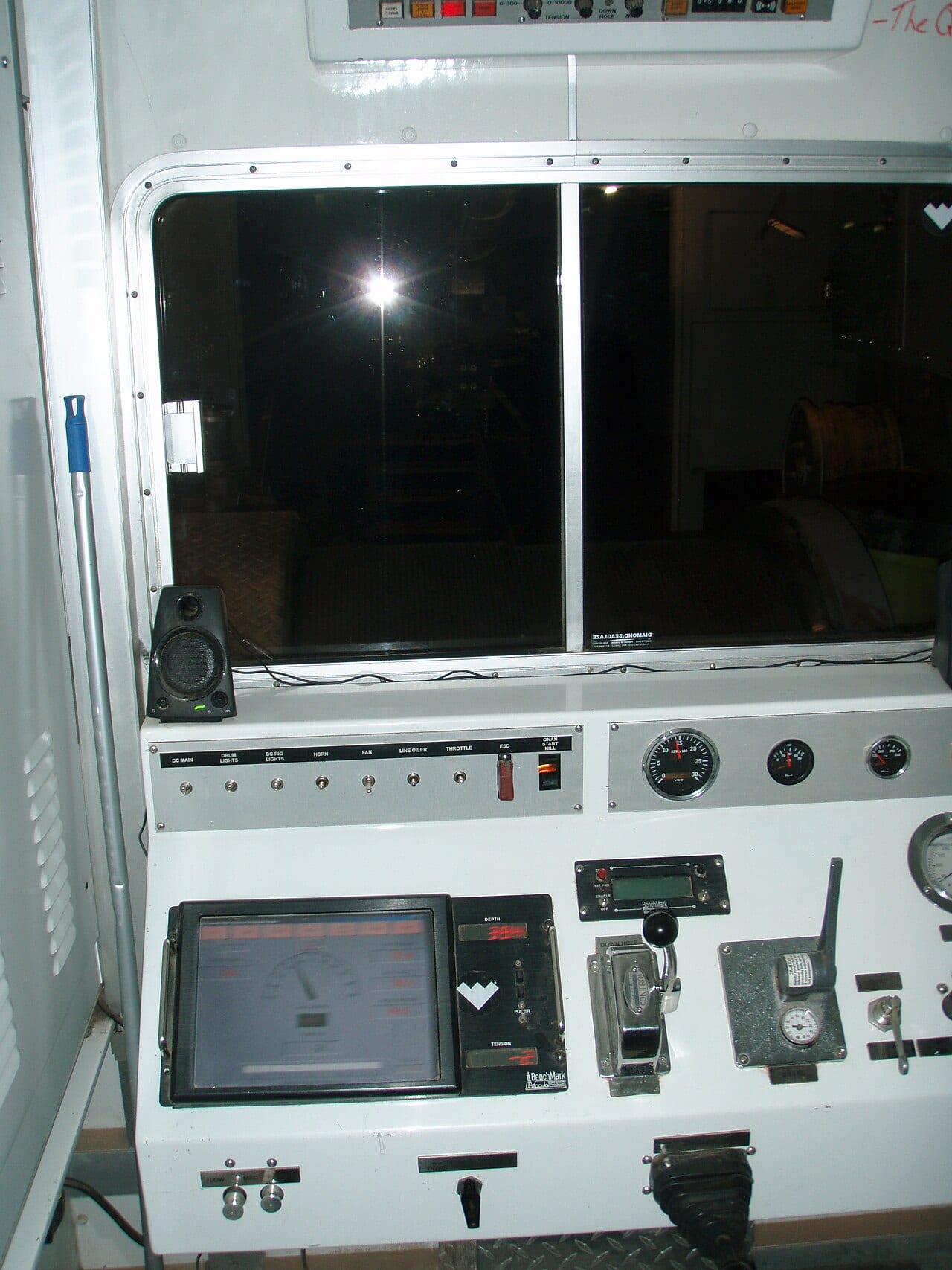
Wireline Engineer Training for Field Work
Employers commonly seek an engineering degree or relevant field experience. Entry routes and experienced engineer posts differ: a job leading complex runs may require several years of wireline work. Company training covers the tools, data checks and service records used in that business.
Wellsite safety courses depend on the region. Canadian land work commonly asks for H2S and first aid; U.S. employers use their site and task training plans. Services involving radiation sources or explosives need the specific training and authorization for those tasks. Not every wireline job uses either.
Challenges of Working as a Wireline Engineer
A tool fault or doubtful reading can extend a job after a long trip to site. Field work may include nights, short-notice travel and delays between runs. The engineer has to explain the problem and its effect on the result while keeping the next crew and the customer informed.
Perks of Working as a Wireline Engineer
You follow a service from the plan to data the well team can use. The role combines equipment, field judgement and customer contact. Experience can lead toward complex services, technical support or crew development, with less or more field time depending on the post.