What Does a Derrickhand Do on an Oil Rig?
A derrickhand looks after the drilling mud system and helps the crew move pipe. On rigs with a work platform high in the derrick, they guide pipe from that platform during a trip. They work under the driller and tell the crew when mud levels or readings change.
Derrickhand Duties at the Mud Tanks and in the Derrick
A derrickhand can work above the floor with pipe and at the drilling-fluid system. During pipe handling, the assigned worker helps guide stands into their storage position under the rig’s process. Powered racking changes how some rigs divide the work. The job is not the same on every rig design.
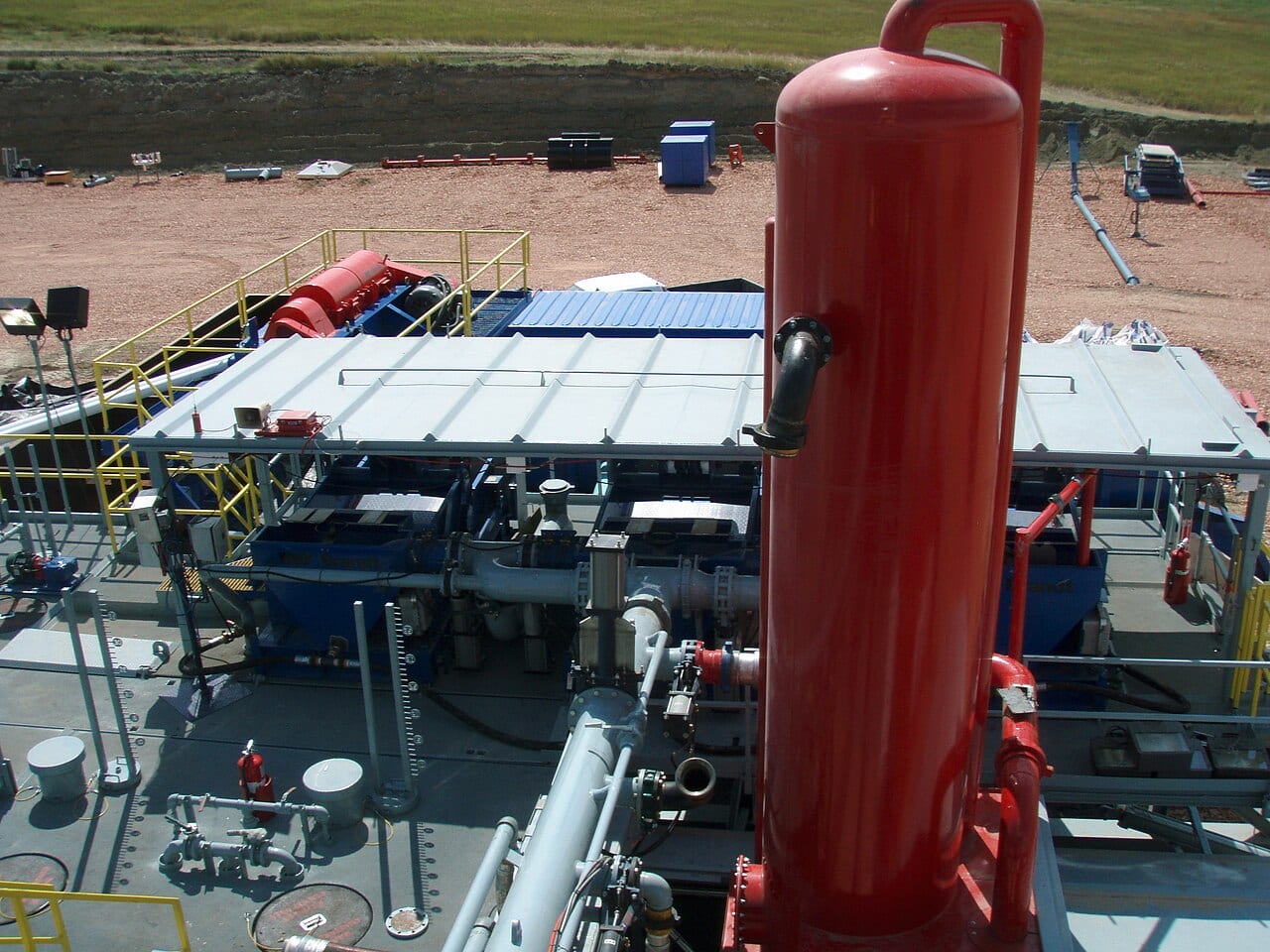
Fluid duties may include checks around mud pits, pumps and solids-control equipment. Some postings call this mud-pit work. Report an unexpected level or flow change to the driller. The mud engineer tests the fluid and advises treatment; the derrickhand does not choose a new mud formula on their own.
Keep equipment observations and assigned maintenance records current. Work with the motorhand and repair crew when a pump or related unit needs attention. Pass on work still open and changes to the fluid system so the next shift knows what has been checked.
Derrickhand Wages and Job Outlook on Oil Rigs
Precision’s Western Canadian posting checked in November 2026 listed CAD 50.65 per hour for derrickhands. Its West Texas offer listed USD 34.07 per hour starting pay and sought more than a year of rig experience. These are employer offers for those assignments.
Canada’s 2026–2035 forecast covers the wider drilling and related-services group. It projects about 500 openings and about 500 retirements. The total includes other roles and changes in employment, so it is not a count of new derrickhand jobs.
A remote job may supply camp and meals or provide a living-out allowance. Time between drilling programs can affect total earnings even with a higher hourly rate.
Derrickhand Training for Mud Systems and Work at Height
Crew members often build experience on the floor before this role. Learn the rig’s racking and fluid systems and how to report a change clearly. Work at height needs task-specific training and the rig’s rescue plan. Time on another rig does not replace learning the equipment assigned here.
Western Canadian employers commonly ask for H2S Alive and First Aid, with other site courses as required. U.S. and offshore requirements differ by assignment. The contractor should state what is needed at hire and what training is provided. Well-control awareness is part of crew competence, while certificates and course levels depend on the job.
Challenges of Working as a Derrickhand on an Oil Rig
The role can move between pipe handling and a busy fluid area. Noise and distance can make a short message hard to hear. The driller needs a prompt, clear report when conditions change rather than a note saved for the end of the shift.
Working high on a rig and outdoor rounds can be demanding in wind, heat or cold. Long shifts and remote hitches also affect rest and family time.
Perks of Working as a Derrickhand on an Oil Rig
You build knowledge of both pipe handling and drilling fluids. That gives a wider view than one work area alone. It can help prepare an experienced crew member for assistant-driller training, with a separate assessment of control and leadership skills.