What Does an Electrification Engineer Do in Oil and Gas?
An electrification engineer helps an oil and gas site switch a machine to electric power. The site might replace an engine that drives a pump. The engineer checks how much power the pump needs. They also check if the site can supply it and when the crew can make the change.
What Electrification Engineers Check Before Replacing Plant Drives
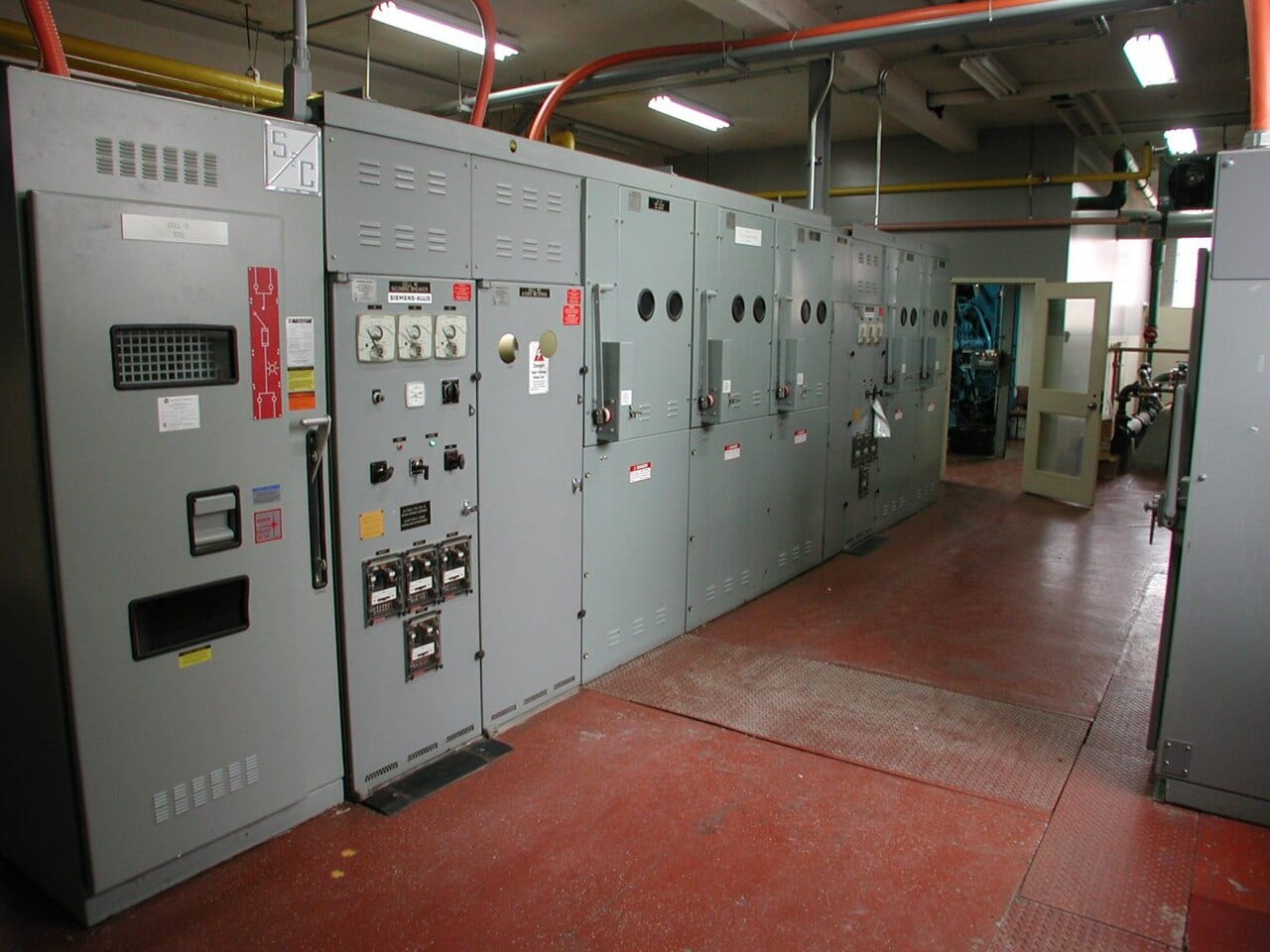
A site may plan to replace a gas engine with an electric motor. The engineer checks the load and how the change will affect the switchgear and controls. The rotating equipment engineer checks what the pump or compressor needs. A microgrid engineer may help when the site needs its own power supply.
The study starts with the driven equipment and the site’s power needs. The engineer checks the operating load with the equipment team and the supply limits with electrical staff. A change affects more than the motor if cables, power distribution or controls also need work.
The proposal compares the options on the same basis, including installation and operating needs. Grid supply and a local generation system can lead to different designs. The engineer records assumptions and the work still to be checked before the project orders equipment or books an outage.
What to Check About Electrification Engineer Pay
For wider electrical and electronics engineering work, ALIS shows CAD 38.44 to 83.64 per hour for the middle 90% in Alberta in 2023. The U.S. range for the middle 80% of electrical engineers was USD 76,550 to 184,300 per year in May 2025. BLS expects 10% U.S. growth for electrical engineers from 2025 to 2035.
Electrification Engineer Training for Oil and Gas Work
Electrical, mechanical or controls engineering can lead to this work. An early task might be building a load list from equipment data. Learn how electrical and mechanical teams split the work on a drive change. Design approval must follow local engineering rules. Field start-up work also needs the site’s required skills and training.
Challenges of Electrifying Oil and Gas Equipment
A motor may fit the pump but need more power than the site can spare. A study can also depend on a future power connection or plant load. The engineer must show what changes if those plans shift. Equipment delivery and the shutdown window may limit when the crew can make the change.
Perks of Electrifying Oil and Gas Equipment
You connect power-supply choices with machines that operators use each day. Comparing a design with later plant data builds skills in site power and project work. Those skills can support wider electrical or field-development roles.