What Does a Microgrid Engineer Do in Oil and Gas?
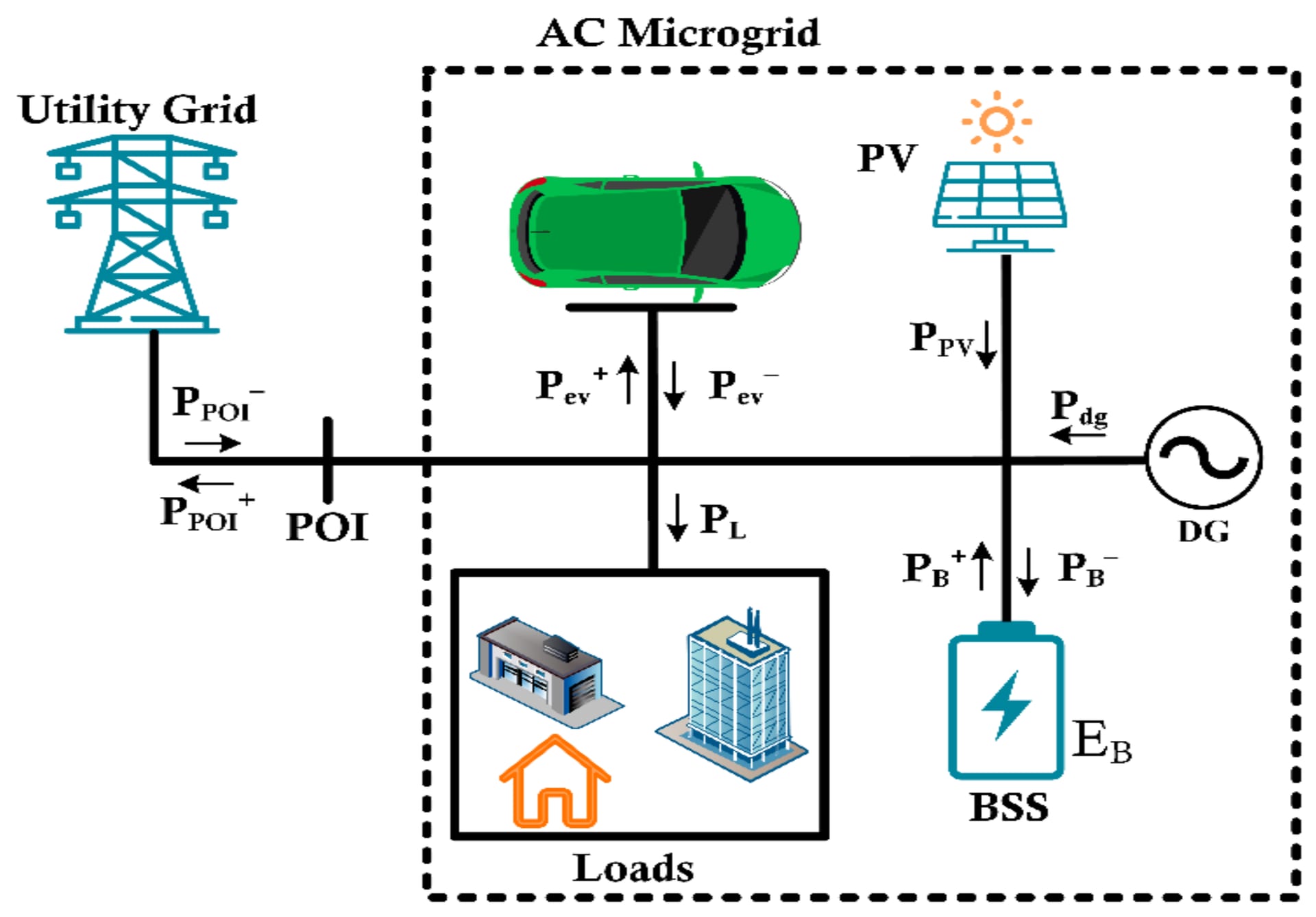
A microgrid engineer designs or tests a local power system for a site. On an oil and gas project it may link engines, solar panels, batteries and the main grid. The engineer helps the crew decide which loads must stay on and what the system should do if the grid goes down.
How Microgrid Engineers Test Oil and Gas Site Power
The engineer models when the site needs power and what each source can supply. A motor starting draws a different load from one already running. The design needs to account for changes through the day and when equipment starts or stops. A solar power engineer can help estimate output from panels.
A microgrid controller decides how the power sources work together. The engineer helps define and test those responses before field use. Islanded operation means the system supplies its own loads without the main grid. An electrician and controls staff support site work. Some remote systems always run without a grid link, so their design needs differ.
Microgrid Engineer Wages and Job Outlook
Electrical and electronics engineers in Alberta earned CAD 38.44 to 83.64 per hour across the middle 90% in the 2023 ALIS survey. U.S. electrical engineers earned USD 76,550 to 184,300 per year across the middle 80% in May 2025. BLS projects 10% U.S. growth for electrical engineers from 2025 to 2035. These figures describe the wider occupations.
Microgrid Engineer Training for Oil and Gas Work
Electrical engineering and power-system work are common routes. Learn to compare a model with site load records. Tests may link a real controller to a simulated power system. Design approval and field tests need the right local authority and site training. Knowing the software does not qualify someone to operate live electrical gear.
Challenges for Microgrid Engineers Supplying Oil and Gas Sites
A new motor or a changed shift pattern can affect other loads. Using a battery to cut daily power costs may leave less energy for backup. The engineer must explain that trade-off and test the planned response. Site staff need to know the limits of the system they receive.
Perks of Working as an Oil and Gas Microgrid Engineer
You work across power generation, storage and controls on the same project. Seeing models tested against a real site builds skills useful in plant power, remote energy systems and controls engineering.