What Does a Solar Power Engineer Do in Oil and Gas?
A solar power engineer designs ways to supply power from sunlight at oil and gas sites. The system may run a small load at a remote well or help power a larger plant. The engineer checks how much power the site needs and what happens at night or when clouds cut output.
What Solar Power Engineers Size for Oil and Gas Sites
A field site may need power for meters, radios or a pump. The engineer checks when the loads run, whether the site needs a battery and what backup it has. A field electrician installs and services the gear. A microgrid engineer may help tie solar to generators or the local grid.
The engineer builds a load profile: how much power the site needs at different times. Solar resource and weather data help estimate when the array can supply it. The plan needs to account for the periods when generation and demand do not match.
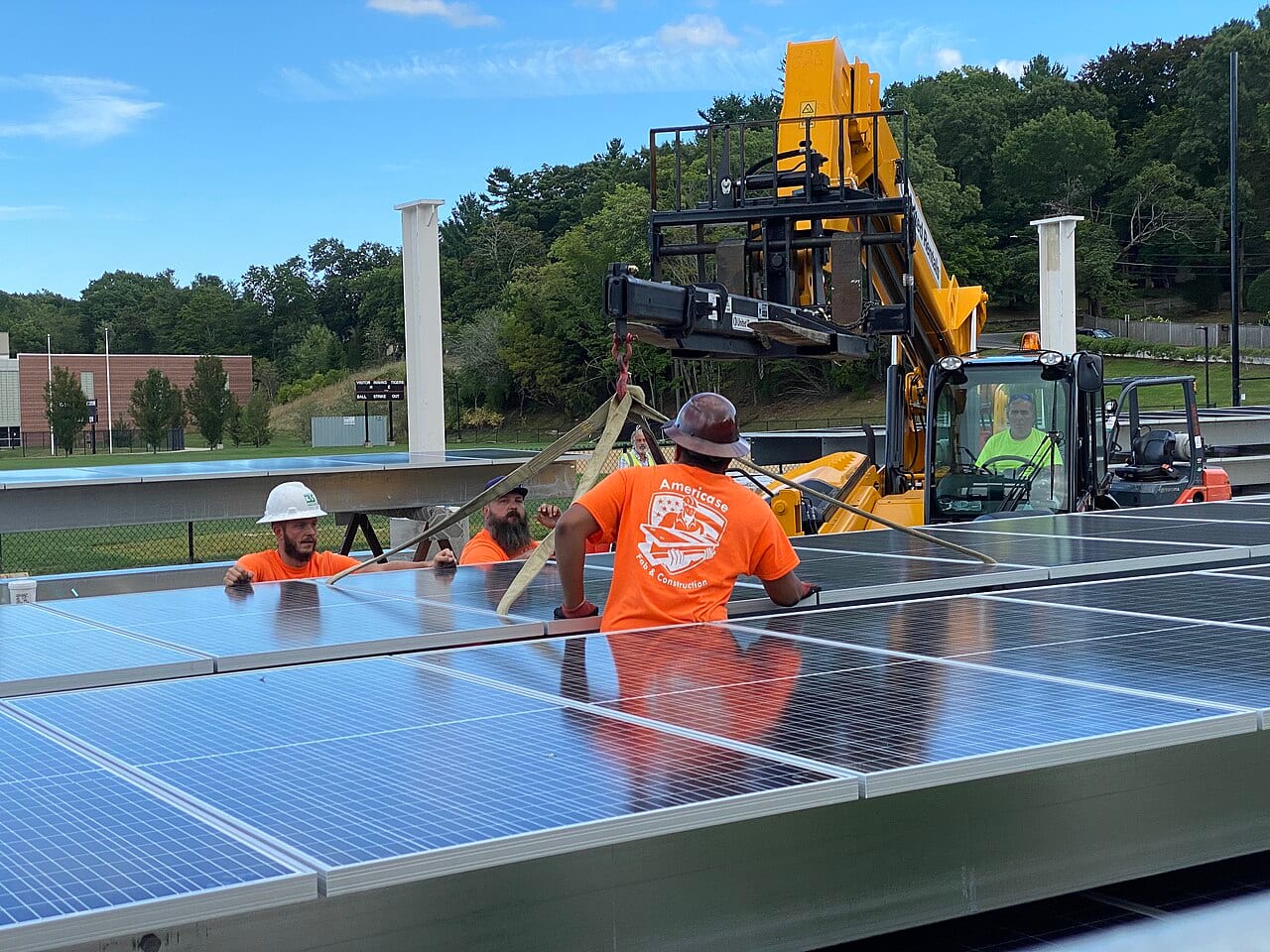
The design can include batteries, a generator or a grid connection. Each option changes the equipment and operating plan. The engineer works with the site team on space, access and maintenance needs, then compares later operating data with the original assumptions. A small remote instrument supply and a plant-scale system need different designs.
Solar Power Engineer Wages and Job Outlook
ALIS lists CAD 38.44 to 83.64 per hour for the middle 90% of Alberta electrical and electronics engineer wages in 2023. The U.S. middle 80% of electrical engineers earned USD 76,550 to 184,300 per year in May 2025. The U.S. projects 10% growth for electrical engineers from 2025 to 2035. These figures cover work in many industries.
Solar Power Engineer Training for Oil and Gas Work
Electrical engineering or power design can lead into this work. An early task might be checking a load estimate against site records. Learn to distinguish total energy use from peak power needs. Experience with a small remote system does not cover every project scale.
Challenges of Designing Solar Power for Oil and Gas Sites
A site may need the most power at night or in winter, when solar output is low. A yearly energy total can hide that shortfall. The engineer needs the timing of the load as well as its size. Remote access and maintenance also affect the choice of equipment and backup.
Perks of Designing Solar Power for Oil and Gas Sites
You can follow a design from the first load estimate to real site results. The work builds skills useful in batteries, remote power and microgrids as you gain experience with different systems.