What Does an Oilfield Truck Driver Do?
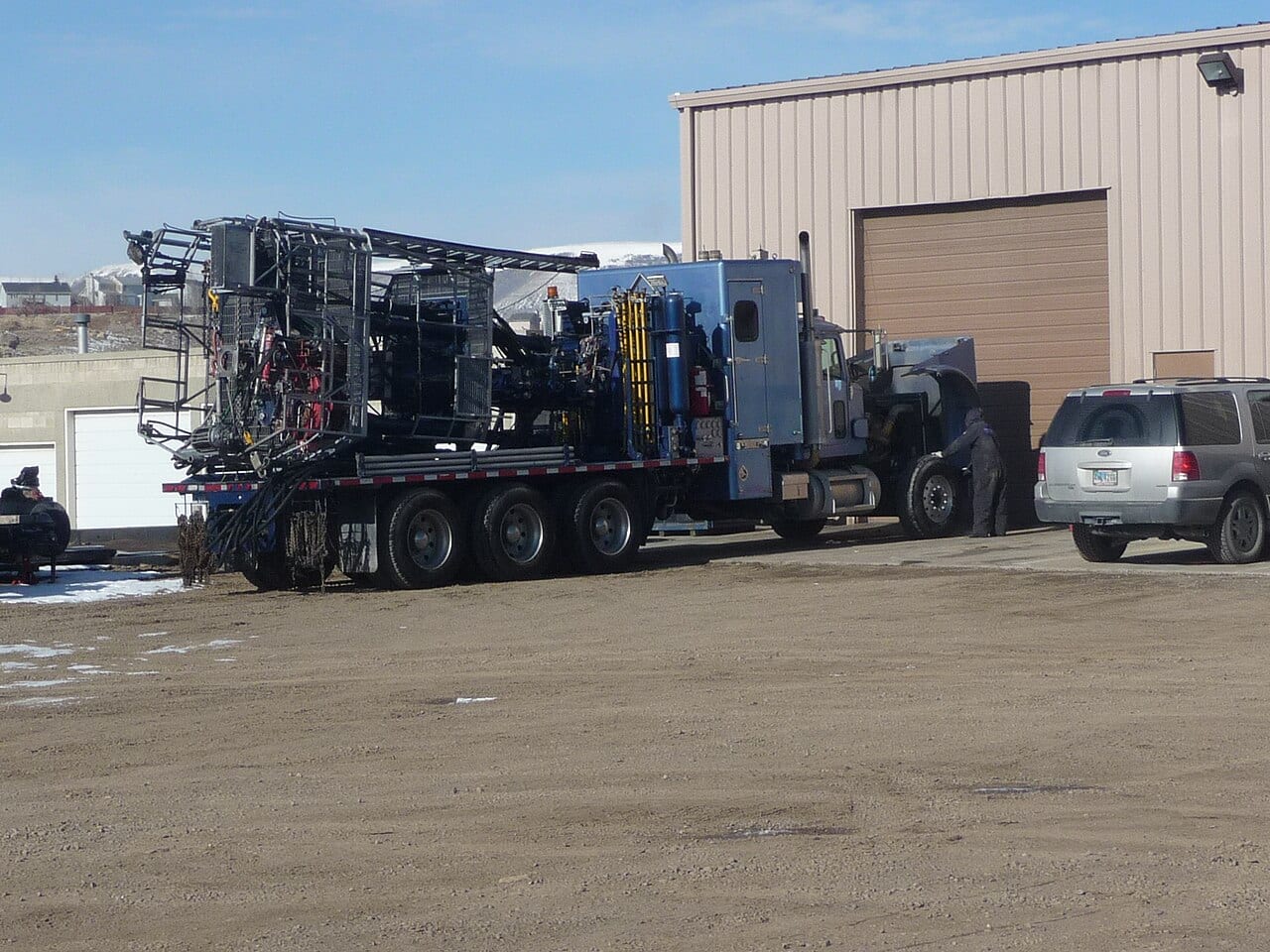
An oilfield truck driver takes heavy loads to and from oil and gas sites. The cargo might be pipe, a piece of a rig, or a tank of produced water. Drivers may have to back into tight yards, travel on rough lease roads, and plan for limits on heavy loads.
Oilfield Truck Driver Duties for Equipment and Fluid Loads
Check the assigned truck, cargo records and planned route before a run. Coordinate the delivery with dispatch and the receiving crew. On a rig move, loads may need to arrive in order so the site can handle and assemble the equipment.
The vehicle and load change the work. A fluid hauler moves bulk liquids such as oil or water. A vacuum truck operator also runs equipment at the site. Pipe and rig loads bring other trailer and load-handling needs.
Keep inspection, trip and load records current. Report faults, road delays and changes in site access. A trucking post may combine driving with loading or site work.
Oilfield Truck Driver Wages and Job Outlook
An October 2026 E-Can Oilfield Services offer in Elk Point, Alberta listed CAD 28–34 per hour for Class 1 liquid-bulk hauling. It asked for one to two years of experience. That employer offer fits tanker work, not every oilfield load or an oversize rig haul.
The middle 80% of U.S. heavy and tractor-trailer truck drivers earned USD 19.30–38.17 per hour in May 2025 across industries. Canada projects about 133,800 openings across its transport-truck group in 2026–2035, including about 93,800 from retirements. Those openings are not all new oilfield jobs.
Truck Licences for Oilfield Hauling in Canada and the U.S.
In Alberta, tractor-trailer work needs the appropriate Class 1 licence. Straight trucks use a different class, and air brakes need a Q endorsement. The vehicle and cargo also determine U.S. CDL class and endorsement requirements.
Dangerous-goods work needs training for the assigned cargo and duties. The E-Can tanker offer also required H2S, first aid and CPR. Other employers can specify different site courses.
Challenges of Driving an Oilfield Truck
Spring road bans can limit loads or force a detour. Snow, ice and soft lease roads can make access harder than highway distance suggests. Long waits can turn a short haul into a long shift. Remote jobs also mean time away from home, with rest and relief plans that need to fit the actual trip.
Perks of Driving an Oilfield Truck
Some drivers prefer a local liquid-hauling route and a regular base. Others like equipment moves with different destinations. You can build knowledge of field access and specialized vehicles, though the training and work pattern depend on the cargo and carrier.