What Does a Pipeline Welder Do?
A pipeline welder joins steel pipe on oil and gas projects. They work with the crew that lines up each joint and check which weld plan the job calls for. The welder records the work so an inspector can match each weld to the pipe and check the finished joint.
How Pipeline Welders Join and Check Pipe in the Field
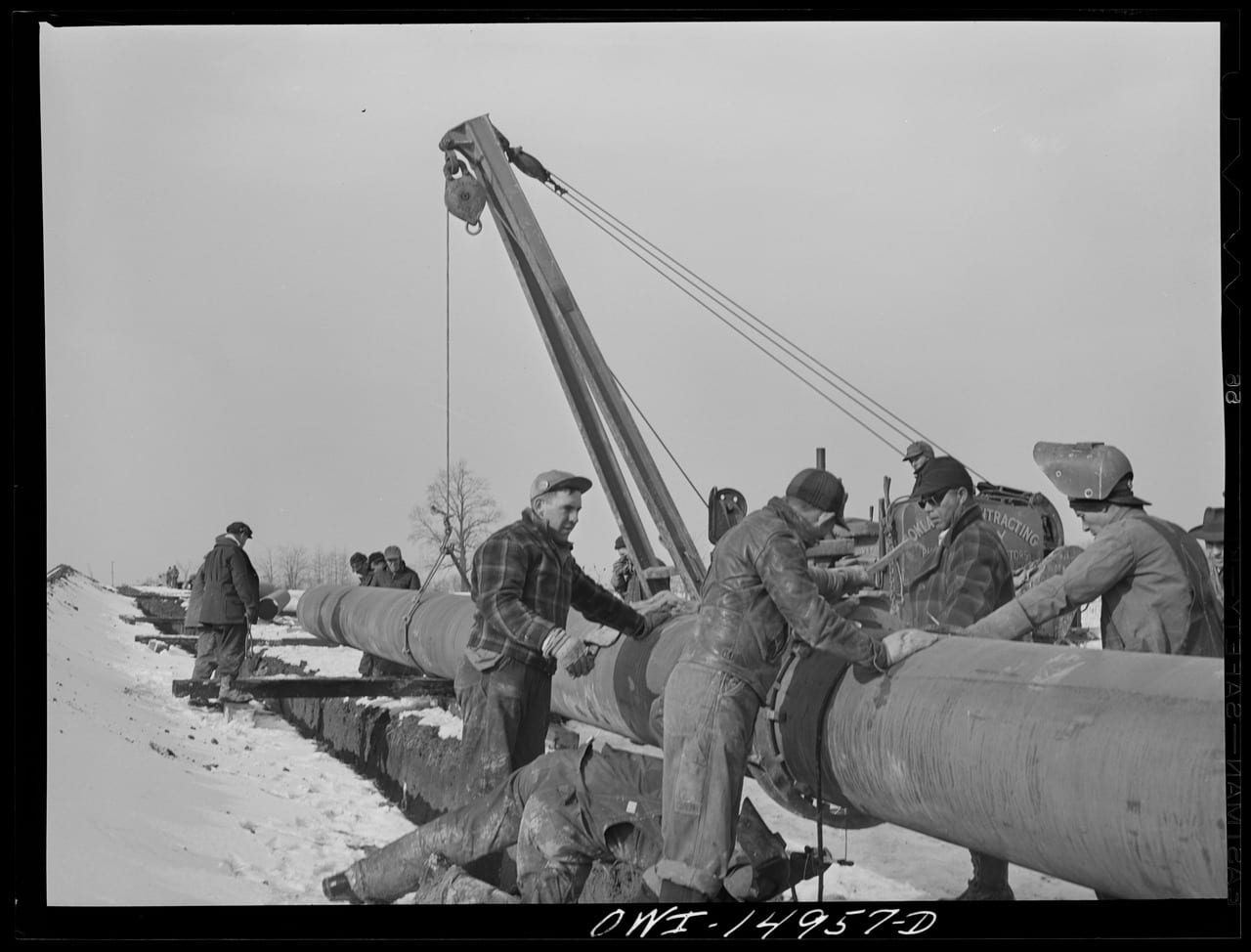
Pipeline welding covers long construction runs, connections between sections and some repair work. A mainline welder works along the route, while a tie-in welder joins sections or connects them to equipment. Duties and agreement terms depend on which work the contractor has assigned.
Check the joint identity and approved weld procedure before work. The crew keeps records so an inspector can match each weld with its test result. A failed check needs an approved review or repair path. Passing many previous welds does not make the next joint exempt from the project’s controls.
The work may use manual or mechanized equipment. Pipe grade, wall thickness and process can change between projects. A gathering system near wells can also differ from a large transmission line. Confirm the type of pipe and work instead of treating all pipeline jobs as interchangeable.
Pipeline Welder Wages and Agreement Terms
For covered Western Canadian mainline work, the UA agreement lists a May 2025 welder-journeyman wage of CAD 79.49 per hour. Its published 2026 column is not filled in, so obtain the updated rate for an offer. Other pipeline work can fall under different terms.
The U.S. PLCA–UA mainline table for June 2026–May 2027 lists standard journeyman base rates of USD 55.00–60.89 per hour across its stated areas. Special-work terms can differ. Benefits and expense payments are separate from the hourly wage.
Pipeline Welder Training for Pipeline Construction Work
An apprenticeship or welding trade route builds the basic skills. Pipeline contractors can require tests for the job’s process and pipe. Keep those qualifications current and check what the next project accepts. One test does not cover every material or type of work.
Site orientation adds hot-work, traffic and equipment controls. In-service repair has different hazards and needs its own approved plan. A welding qualification alone does not authorize work on a live pipeline.
Challenges of Pipeline Construction Work for Pipeline Welders
Weather, access and work-front moves can slow a construction job. Travel can keep you away from family for weeks, and one project’s end may leave a gap before the next. Long shifts still need care with records and weld quality. Check expected project length as well as rate.
Perks of Pipeline Construction Work for Pipeline Welders
You can build experience across pipe materials, processes and project types. With further training, that can support crew leadership or inspection work. A construction role may appeal to someone who likes changing sites; maintenance work can offer a different pattern, depending on the employer.