What Does a Solids Control Engineer Do on a Rig?
A solids control engineer helps a rig team choose and run gear that takes rock chips and fine particles out of drilling mud. They review the mud and waste records and help decide when the gear needs a change. Some employers use the title for a field specialist who runs the equipment.
Key takeaways
- Some employers use solids control engineer and specialist for the same work.
How Solids Control Engineers Review Mud and Separation Gear
Solids control removes unwanted rock particles from drilling fluid so the rig can reuse suitable fluid. The post may be a field service role or an engineering design job. Check that distinction first. Employers also use specialist or technician for hands-on work with screens, pumps and centrifuges.
Field duties can include setting up gear, checking its condition and recording how it performs. Compare the returned fluid and waste records with the mud engineer. A centrifuge separates fine solids by spinning the fluid; it serves a different part of the task from a shaker screen.
In design or technical support, review equipment capacity, space and the types of particles the system must handle. A solids control technician brings field observations. Keep changes within the agreed fluid and waste plan, rather than treating equipment speed as the only measure of a good result.
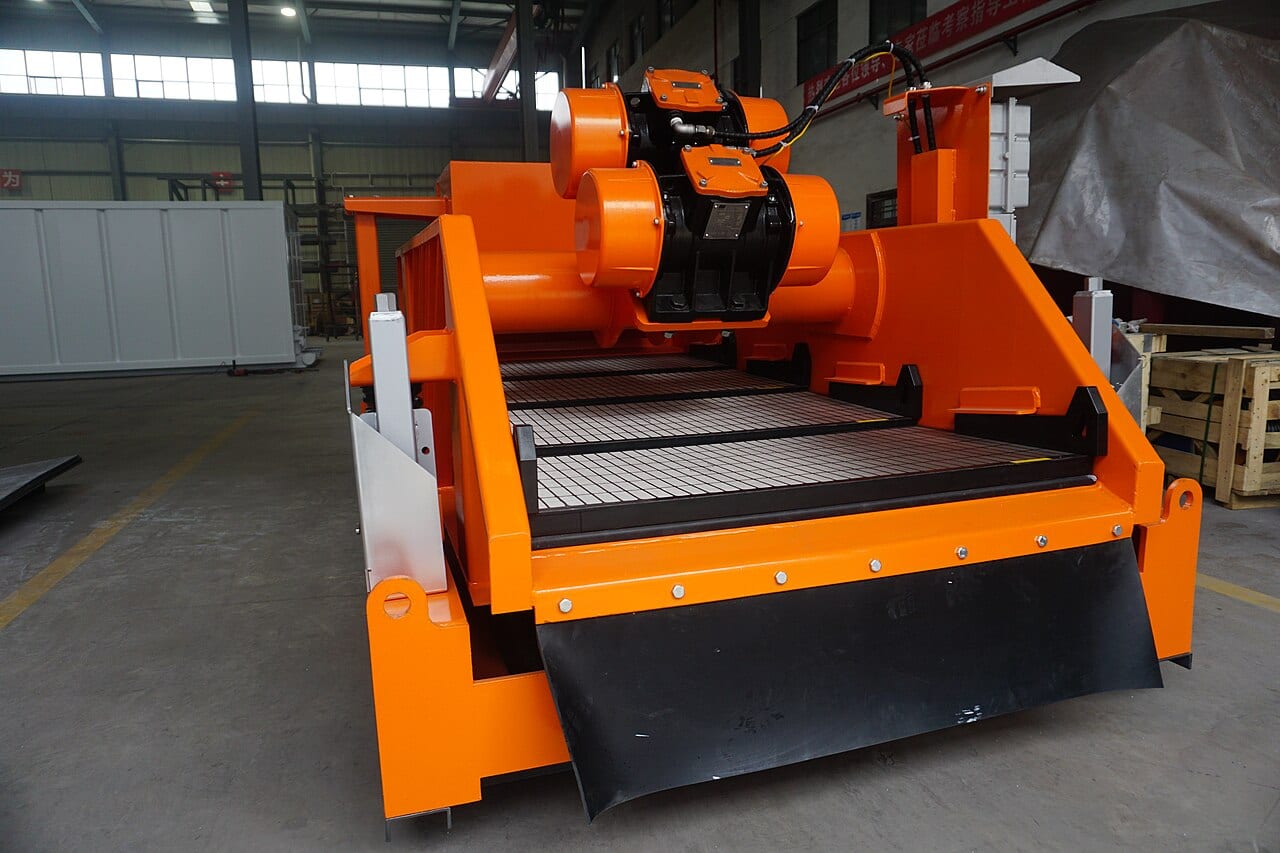
Education and Field Experience for Solids Control Engineers
Engineering study can lead into design work. Equipment service or rig experience can lead into field roles, with employer training on the actual machines. Learn mud reports and how to describe a fault clearly. Design sign-off can require professional registration where engineering practice is regulated.
Moving machinery and pressurized lines need task-specific training and energy controls. A driver’s licence may be needed for field travel. No job title qualifies someone for every electrical or lifting task.
Challenges of Working as a Solids Control Engineer
A change in drilling can increase the amount or type of solids returning to the surface. Space, fluid needs and waste handling all limit the response. Field posts can include noisy shifts, road travel and nights away from home. The equipment also needs care between jobs, not only while the rig is drilling.
Perks of Working as a Solids Control Engineer
You can see how a tool choice affects fluid recovery and waste. Experience may lead into service planning, equipment support or fluid systems design.