What Does a Thermography Technician Do at Oil and Gas Sites?
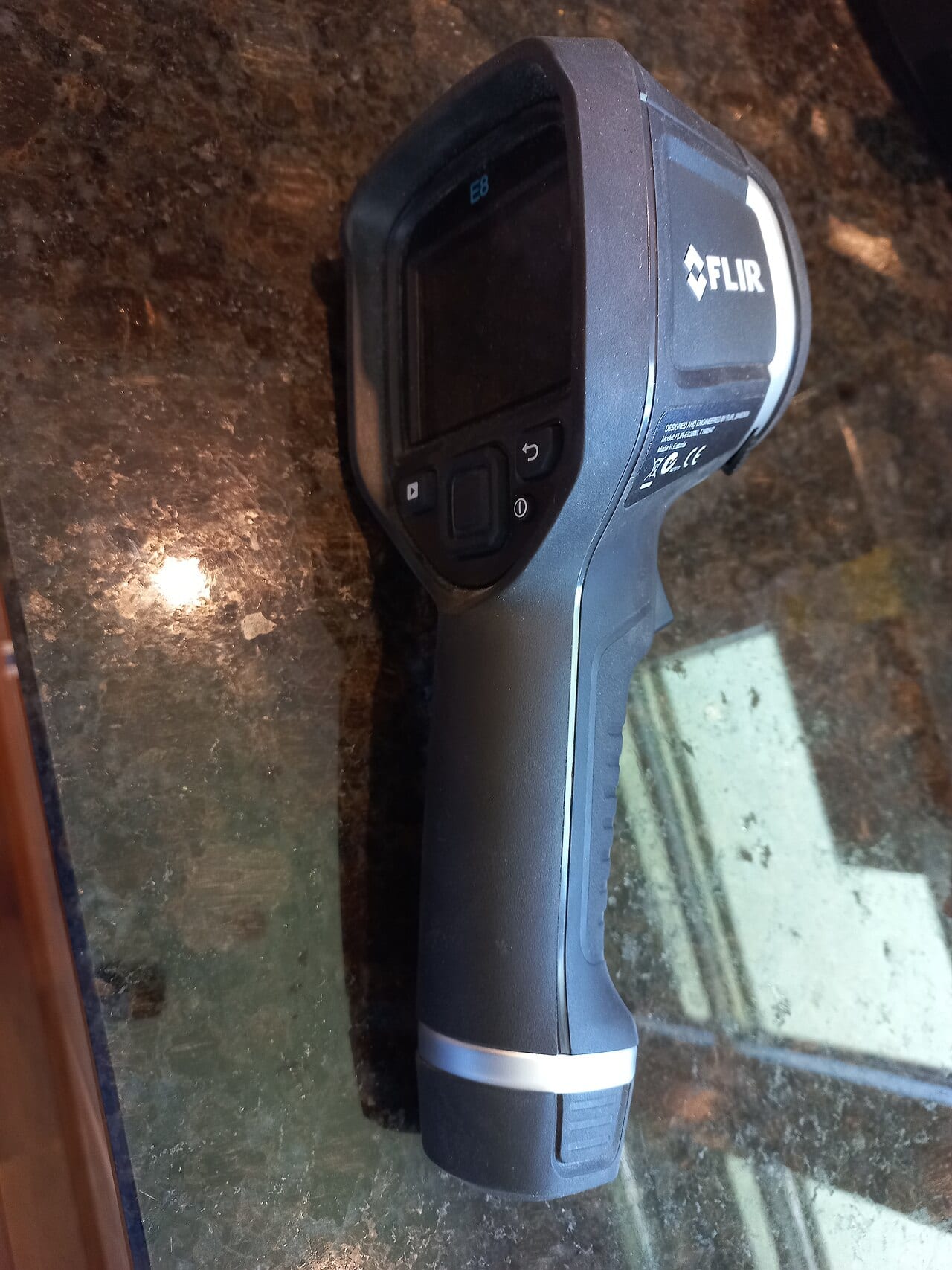
A thermography technician uses a heat camera to check equipment at oil and gas sites. A hot spot on a panel or motor can be an early sign of trouble. The technician saves the image and explains what the maintenance crew should check next.
Thermography Technician Duties on Plant Heat Scans
Use thermal images to check surface heat patterns on equipment. The plan may cover electrical panels, motors or process equipment. A bright area in an image is a clue to assess, not proof of one particular fault.
Record the equipment and its operating state. Note the conditions when the image was taken. Reflections and surface properties can affect what the camera shows. A technician or maintenance team may help check the finding against other data. Keep the original image and report linked for later comparison.
Compare results over time and report changes that need review. An electrician retains the electrical work scope where it applies. A thermographer’s camera training does not authorize opening or working on every piece of plant equipment. The assignment needs appropriate site access and qualified support.
Thermography Technician Wages and Job Outlook
Job Bank lists CAD 22.00 to 55.00 per hour in Alberta for 2023–2024 for nondestructive testers and inspectors. The data cover the whole group.
In May 2025, the middle 80% of a broad U.S. engineering technician group earned USD 22.61 to 56.89 per hour. The group covers more work than heat scans.
Canada projects about 4,600 openings in the Canadian group from 2026 to 2035. About 2,700 could come from retirements.
Infrared Camera Training for Oil and Gas Thermographers
Learn to measure heat, read images and write reports. Camera controls are only part of the training. Early vendor training covers reflected heat and how surfaces emit heat. A short camera course does not provide all the experience and tests for a thermography credential.
Employers set the accepted scheme and level for the work. Knowledge of the equipment helps explain an image. Site training and equipment access need their own approval.
Challenges of Taking Heat Scans at Oil and Gas Sites
A surface can reflect surrounding heat and create a misleading pattern. Changes in equipment load or viewing conditions can also affect a comparison. Explain those limits in the report. A surface image is not a direct reading of heat inside the equipment.
Outdoor surveys depend on weather and access. A route may span several sites and operating schedules.
Perks of Working as an Oil and Gas Thermographer
You can combine field observations with images that help another team investigate equipment. It can suit someone who enjoys images and careful comparisons. Skills apply across different equipment. Each technical setting needs further training.