FERC Finalizes PPI-FG Minus 0.55 Percent Oil Pipeline Index for Five-Year Cycle, Cutting Allowed Revenues by $7.1 Billion
FERC set the oil pipeline index at PPI-FG minus 0.55% starting July 1, cutting the rate ceiling by 1.33 percentage points versus the outgoing index.
The Federal Energy Regulatory Commission finalized the oil pipeline index at Producer Price Index for Finished Goods minus 0.55 percent, effective July 1, 2026, establishing the ceiling rate adjustment for the 2026 to 2031 five-year cycle.
The revised index is 1.33 percentage points below the outgoing 2021 to 2026 index of PPI-FG plus 0.78 percent, representing the largest downward adjustment to the oil pipeline index since FERC adopted the methodology in 1992.
Methodology and Revenue Impact
FERC uses the PPI-FG index to set annual ceiling rate adjustments under the indexing methodology established in Order No. 561. The index governs the majority of interstate oil pipeline tariff filings; pipelines filing cost-of-service rates are exempt.
FERC staff analysis estimates the negative adjustment will reduce allowed oil pipeline revenues by approximately $7.1 billion across the five-year cycle compared to what carriers would have collected under the outgoing index, assuming flat throughput volumes.
The calculation uses a shipper survey methodology comparing actual pipeline cost changes against indexed rate changes over the 2020 to 2025 measurement period. Rising labor and steel costs were more than offset by lower debt service costs and improved operational efficiency metrics.
Shipper and Carrier Reactions
Trade groups representing petroleum product shippers, including the American Fuel and Petrochemical Manufacturers, filed comments supporting the negative adjustment. They argued that pipeline carriers had over-recovered costs during the previous five-year cycle.
Pipeline operators including Enbridge Inc. and other major crude carriers have 30 days from the effective date to file individual tariff revisions reflecting the new index ceiling. Carriers may seek cost-of-service justification to exceed the ceiling if documented costs support higher rates.
Some regional pipeline operators filed protests arguing the methodology underweights recent capital expenditure increases for pipeline integrity and emissions compliance programs. FERC acknowledged these concerns but maintained the existing survey methodology.
Implications for Canadian Heavy Oil Transport
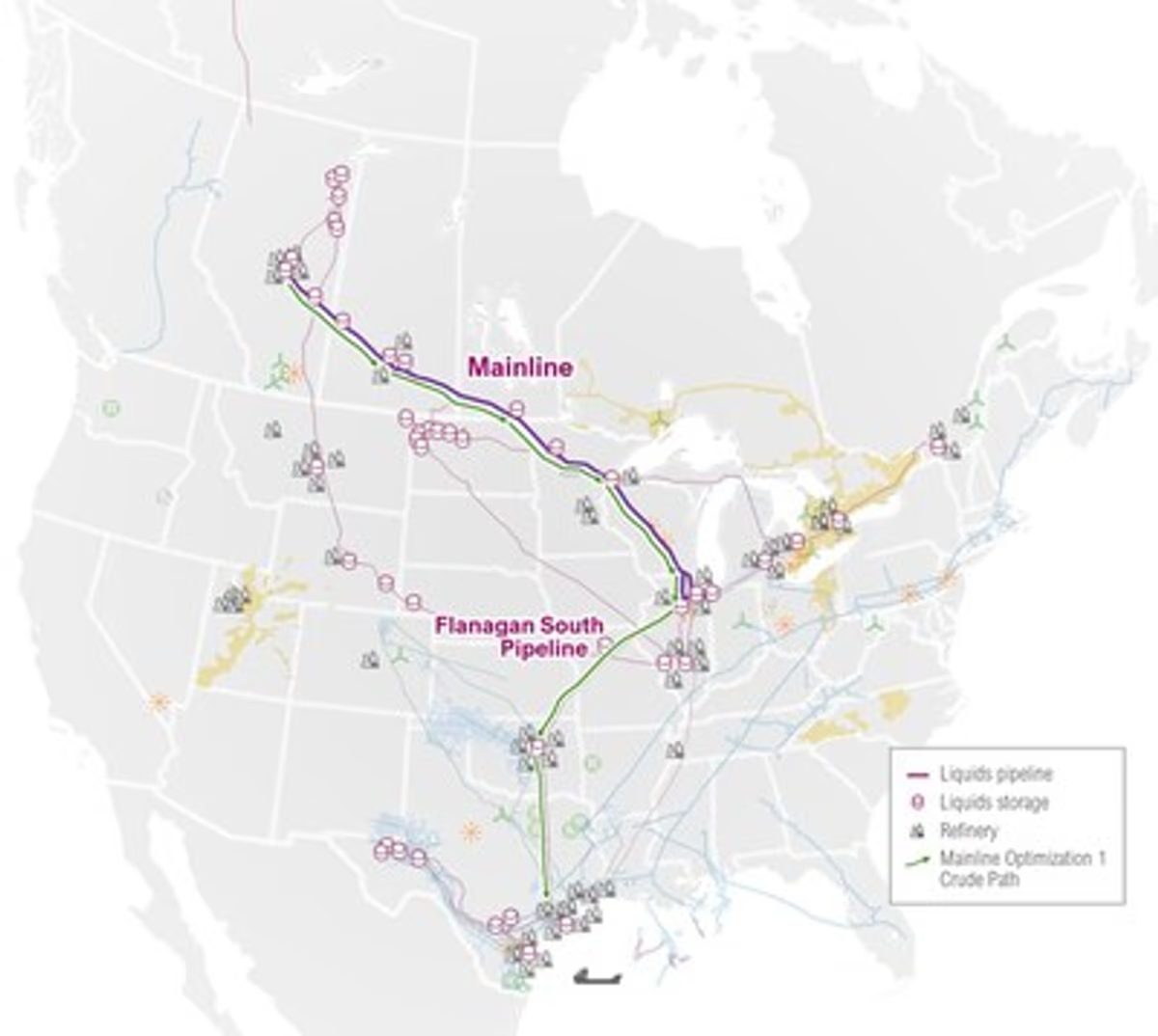
The lower index ceiling has direct implications for crude oil transportation costs on pipelines connecting Canadian oil sands production to U.S. refining markets. Tariff reductions on lines carrying Western Canadian Select from Hardisty, Alberta to Gulf Coast destinations could modestly narrow the WCS-WTI differential over the cycle.
Market analysts estimate a 0.10 to 0.20 per barrel reduction in average pipeline transportation costs for heavy oil moving from the Athabasca oil sands to Gulf Coast refineries, assuming carriers apply the full index reduction to nominated rates.
Effective Date and Filing Requirements
All interstate oil pipeline carriers subject to FERC jurisdiction must file updated tariff sheets reflecting the new PPI-FG minus 0.55 percent ceiling by June 30, 2026. The FERC Office of Energy Market Regulation will review all filings for compliance.
The next five-year index review cycle begins in 2031, when FERC staff will again survey shipper and carrier cost data to calculate the appropriate index adjustment for the 2031 to 2036 period.
Sources and methodology: FERC oil pipeline index final rule effective July 1, 2026, docket RM25-3-000, accessed from FERC.gov. Revenue impact estimate from FERC staff analysis published in the final rule. Shipper comments from American Fuel and Petrochemical Manufacturers, docket RM25-3-000. Tariff filing deadline from FERC final rule text. WCS transportation cost reduction estimate from market analyst consensus. Information published Tuesday, June 24, 2026.
Published by Oil Authority, edited by Adam Humphreys
Submit a Correction
Spotted a factual error? Free account required to submit a correction.