Canada Pipeline Plan Draws Middle Eastern and Asian Investors as Carney Builds Global Energy Partnerships
Canada Pipeline Plan Draws Middle Eastern and Asian Investors as Carney Builds Global Energy Partnerships.
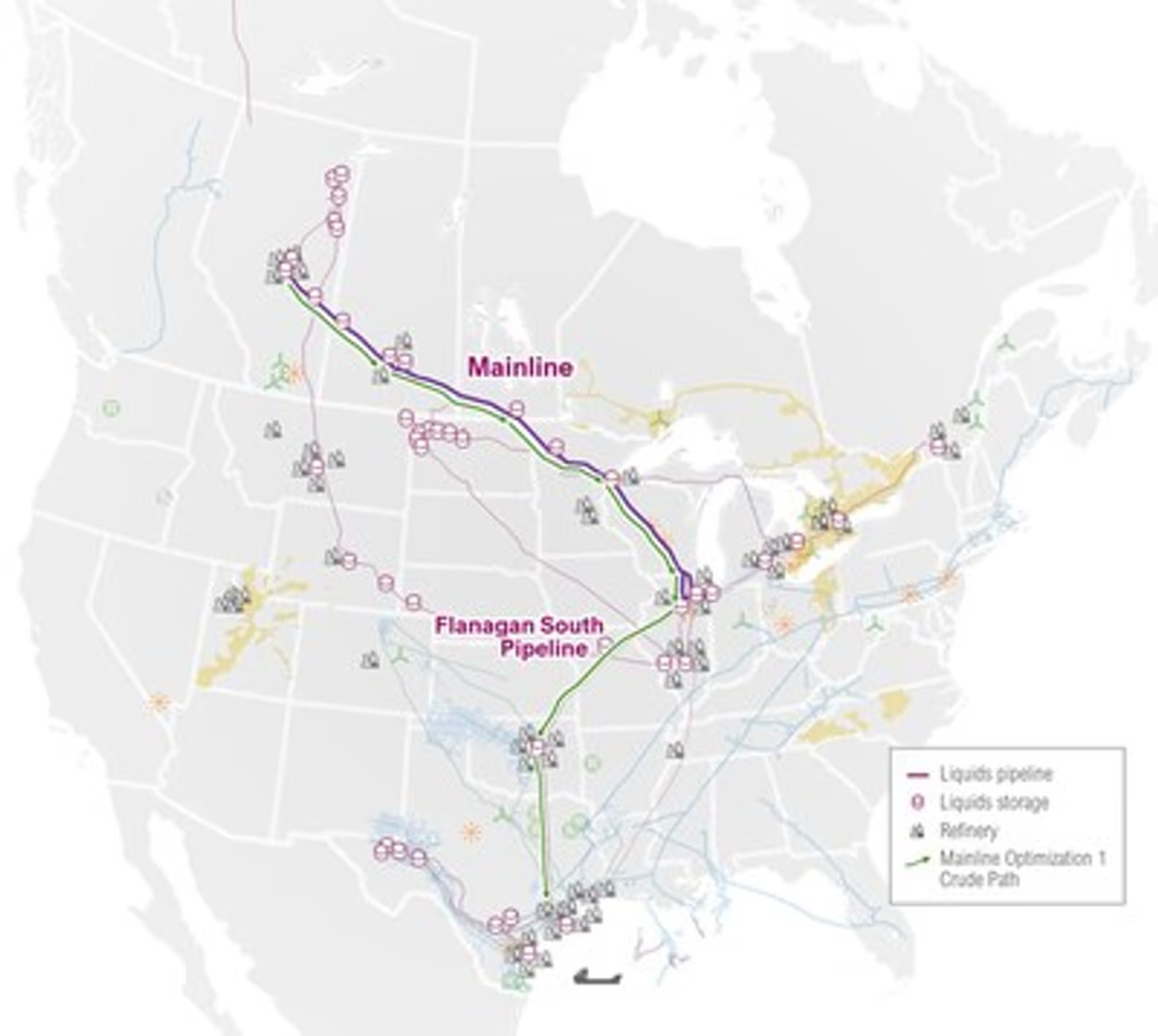
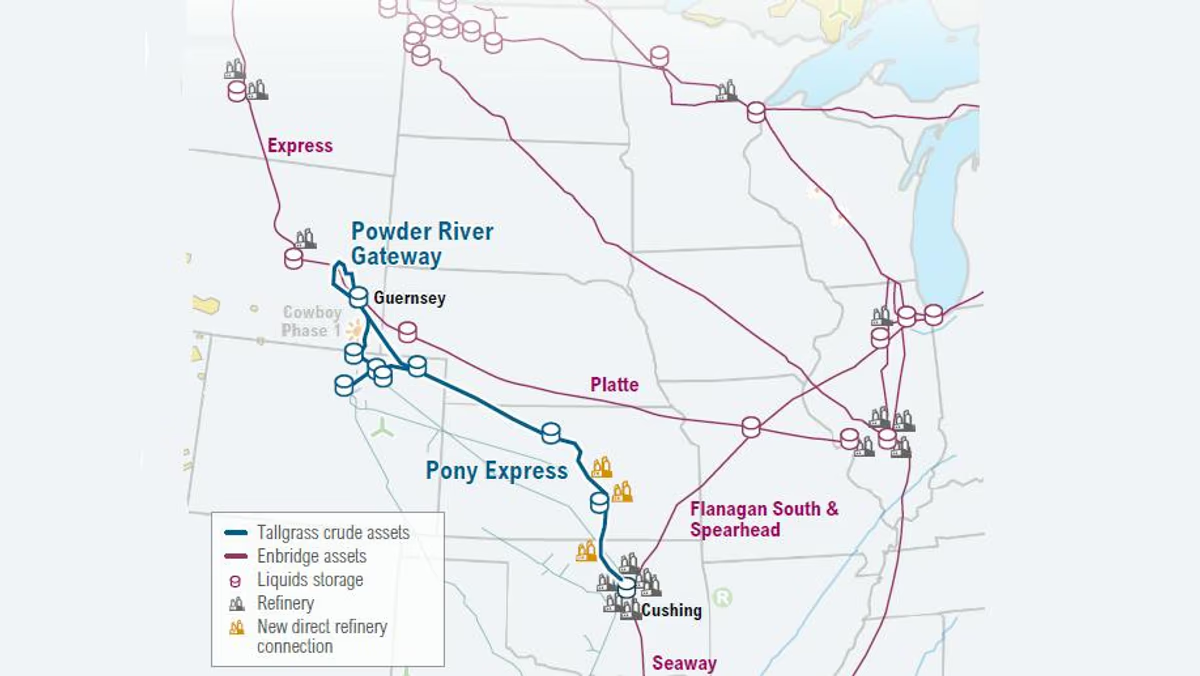
Alberta Premier Danielle Smith confirmed on Monday at CERAWeek by S&P Global in Houston that Middle Eastern sovereign wealth funds and Asian investors have expressed early-stage interest in Canada's proposed 1-million-barrel-per-day crude oil pipeline to the British Columbia coast, a project estimated at $20 to $30 billion.
"Probably not a majority stake, but at least a substantial stake. Maybe 15 or 30 per cent," Smith said when asked about potential foreign ownership levels in the project. The Alberta government plans to submit a formal pipeline proposal to the federal government in June, ahead of the July 1, 2026 deadline established under the Canada-Alberta MOU.
The Economic Case: Pipeline Infrastructure as a National Multiplier
Trevor Tombe, economist at the University of Calgary, has consistently demonstrated that pipeline infrastructure delivers outsized returns for the Canadian economy. Tombe's analysis of the Trans Mountain expansion concluded that the project was "worth every penny of its $34 billion price tag," projecting earnings of $26 to $38 billion over 20 years, with $4.2 to $8.1 billion remaining after debt repayment.
The fiscal implications are equally significant. Tombe estimates that for every dollar the price differential between Canadian and U.S. crude shrinks, the Alberta government recoups approximately $740 million in revenue. A new 1-million-barrel-per-day Pacific Corridor pipeline would represent "10 percent of that goal right there alone" in terms of Canada's export diversification ambitions, Tombe has noted.
Research from the University of Calgary suggests a 10 per cent boost in oil prices increases national economic output by 1 per cent, with benefits flowing to all provinces. Oil and gas extraction remains the highest-paying sector in Canada at more than three times the average hourly earnings nationally, and its value-added productivity is higher than nearly every other sector in the economy.
A Nation of Resilient Workers, Ready for Partnership
Canada is the world's fourth-largest oil producer, and global energy investors are increasingly drawn to its political stability, reliable regulatory environment, and skilled workforce at a time when geopolitical turmoil in the Middle East has made alternative supply routes essential. Canadian oil companies currently send 90 per cent of their exports to the United States, a dependency that both provincial and federal leaders are working urgently to address.
The Pacific Corridor pipeline would establish a direct export route to Asia, bypassing both U.S. dependency and the Strait of Hormuz chokepoint that has disrupted global energy flows since the onset of the Iran conflict. For Canada's energy workers, from the oil sands operations of Fort McMurray to the pipeline construction crews across British Columbia, this represents not just an economic opportunity but a validation of the resilience and expertise that has made Canada's energy sector world-class.
Carney's Global Energy Diplomacy
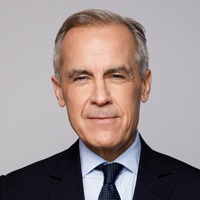 Prime Minister Mark Carney has been building an ambitious network of international energy partnerships. In a series of diplomatic visits and trade agreements, Carney's government has signaled that Canada is open for business on terms that benefit all parties.
Japan: Carney and Prime Minister Takaichi committed to expanding bilateral cooperation on LNG, liquefied petroleum gas, and energy security projects. Japan, currently cut off from much of its traditional Middle Eastern supply, sees Canadian LNG as a strategic lifeline.
India: New partnerships spanning uranium, energy, critical minerals, and technology are being negotiated, with energy as the anchor of the bilateral reset between Ottawa and New Delhi.
China: A framework energy trade agreement was unveiled during Carney's Beijing visit, pledging ministerial dialogue and exploration of opportunities in oil, gas, nuclear, and clean technology.
At the World Economic Forum in Davos, Carney outlined Canada's goal to "catalyze $500 billion in new investment" while ensuring that any foreign capital serves Canada's national economic and security interests through the Investment Canada Act.
The Case for Foreign Investment in Canadian Energy
For Europe and Asia, the math is straightforward: if you want reliable, long-term access to Canadian energy resources, it must be justified with meaningful foreign investment that encourages exports and supports the infrastructure to deliver them. Long-term supply contracts backed by equity stakes give both buyer and seller confidence in a relationship built for decades, not quarters.
Canada offers something few energy exporters can match: a stable democracy with world-leading environmental and human rights standards, a workforce with deep expertise in responsible resource development, and a genuine commitment to reducing emissions even as production grows. The country's carbon capture leadership, including the world's first large-scale industrial carbon capture project at the Quest facility in Alberta, demonstrates that economic growth and environmental stewardship are not mutually exclusive.
Carbon Pricing: The April 1 Deadline and Industry Perspectives
While the pipeline vision captures headlines, a quieter but equally consequential negotiation is unfolding around carbon pricing. Under the November 2025 MOU between Ottawa and Alberta, the province agreed to reach a carbon pricing deal with the federal government by April 1, 2026, in exchange for scrapping the proposed emissions cap on oil and gas.
Andrew Leach, professor of economics and law at the University of Alberta and architect of Alberta's original climate plan, has raised important questions about the design of industrial carbon pricing. Leach cautions that if governments allow companies to invest in technology rather than pay a direct price on carbon, the effectiveness of the program could be undermined if there is no rigorous framework for evaluating whether those investments represent genuinely new commitments.
According to the Canadian Climate Institute, a minimum carbon credit price of $130 per tonne would add an average of just 50 cents to the cost of producing a barrel of oil, what analysts have described as "a Timbit per barrel." Despite the modest per-barrel impact, some major oil sands producers have expressed concerns about policy certainty. Canadian Natural Resources postponed approximately $150 million in early engineering and design work on its Jackpine mine expansion, citing the need for greater clarity on carbon pricing and methane regulations before committing to long-term capital allocation.
Tombe has noted that Alberta's fiscal reliance on volatile resource revenue, where every $1 change in oil price shifts provincial revenue by approximately $750 million, underscores the importance of getting the carbon pricing framework right. A well-designed system that provides investment certainty while maintaining environmental credibility is in the long-term interest of both industry and government.
Alberta has frozen its industrial carbon price under the TIER regulation, and negotiations with Ottawa continue. Environmental groups including the Pembina Institute argue that urgent reforms are needed to protect the integrity of Canada's industrial carbon pricing system and the billions in revenue it generates for clean technology investment.
What This Means for Canada's Energy Future
The convergence of global supply disruptions, foreign investor interest, and Canadian political will to build export infrastructure creates a once-in-a-generation opportunity. The July 1, 2026 pipeline application deadline is the next major catalyst.
As Tombe has argued, the economic case for expanded pipeline capacity is overwhelming: it drives national GDP growth, delivers billions in government revenue, creates high-paying jobs across multiple provinces, and reduces Canada's vulnerability to the pricing whims of a single export market. The question is no longer whether the investment is justified but whether Canada can move fast enough to capture the opportunity.
For the 8,200+ energy companies listed on Oil Authority, the message from Canada's leaders is clear: the country is ready, its workforce is resilient, and the partnerships being built today will define the energy landscape for a generation.
Published by Oil Authority, edited by Adam Humphreys
Submit a Correction
Spotted a factual error? Free account required to submit a correction.